
0
We all know the basics of pinhole photography: long exposures, soft focus, gentle blur, and sometimes unpredictable framing due to the absence of a viewfinder. These characteristics are part of its charm — but they also seem to make pinhole photography unsuitable for street photography as we traditionally understand it.
Street photography, in the lineage of Henri Cartier-Bresson, is often about speed, precision, and the “decisive moment.” It relies on quick reflexes, sharp rendering, and accurate framing. Pinhole photography, by contrast, appears slow, imprecise, and technically limited. At first glance, the two approaches seem incompatible.
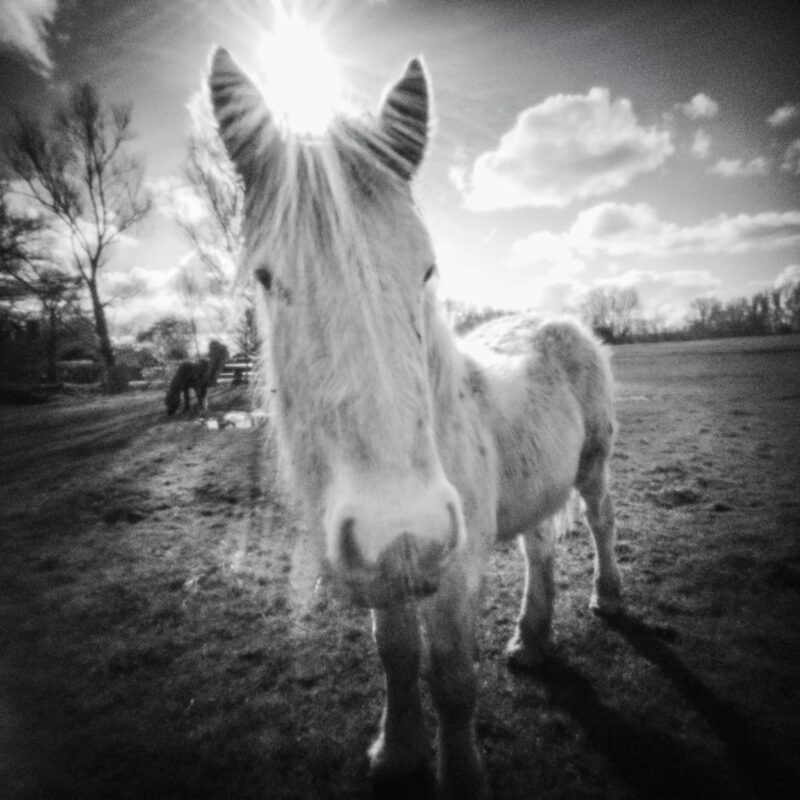
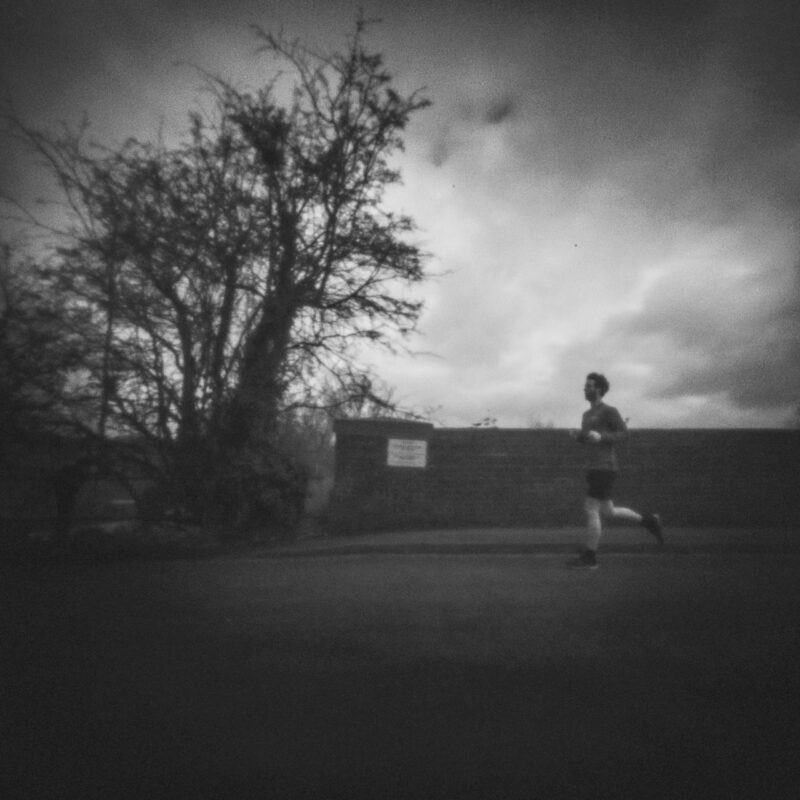
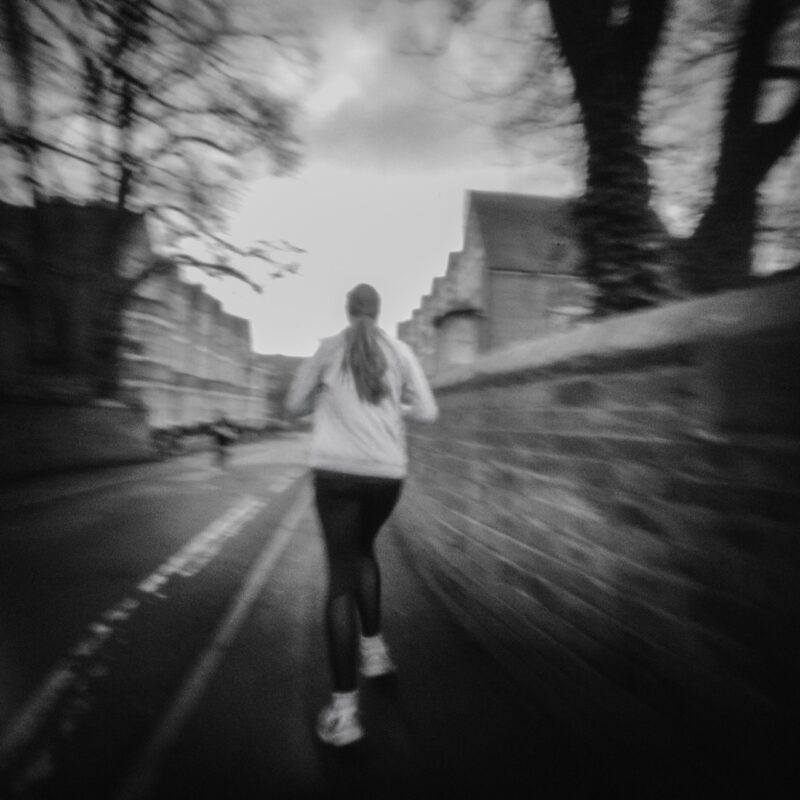
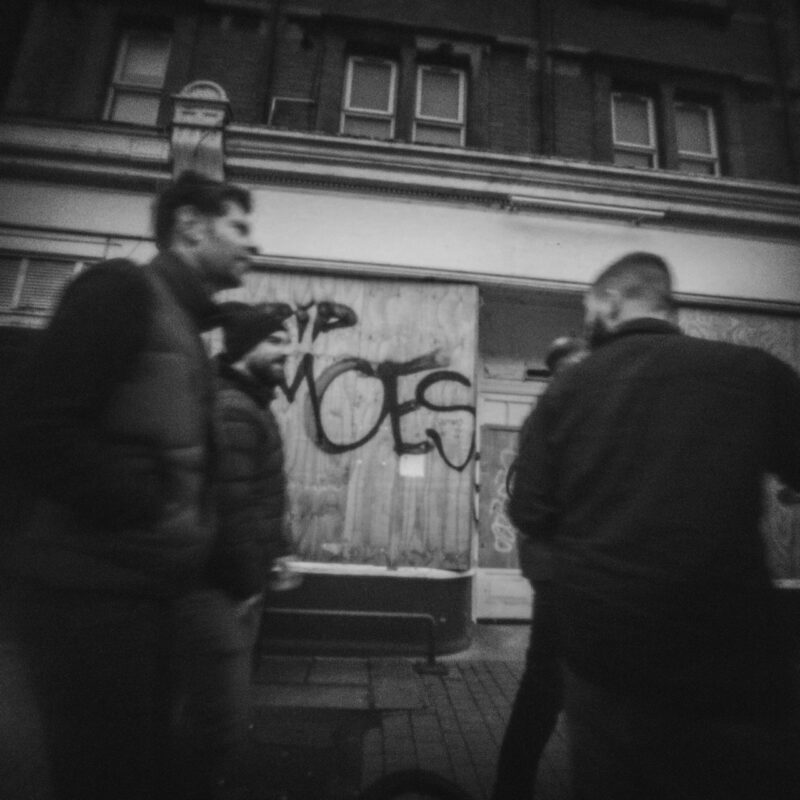
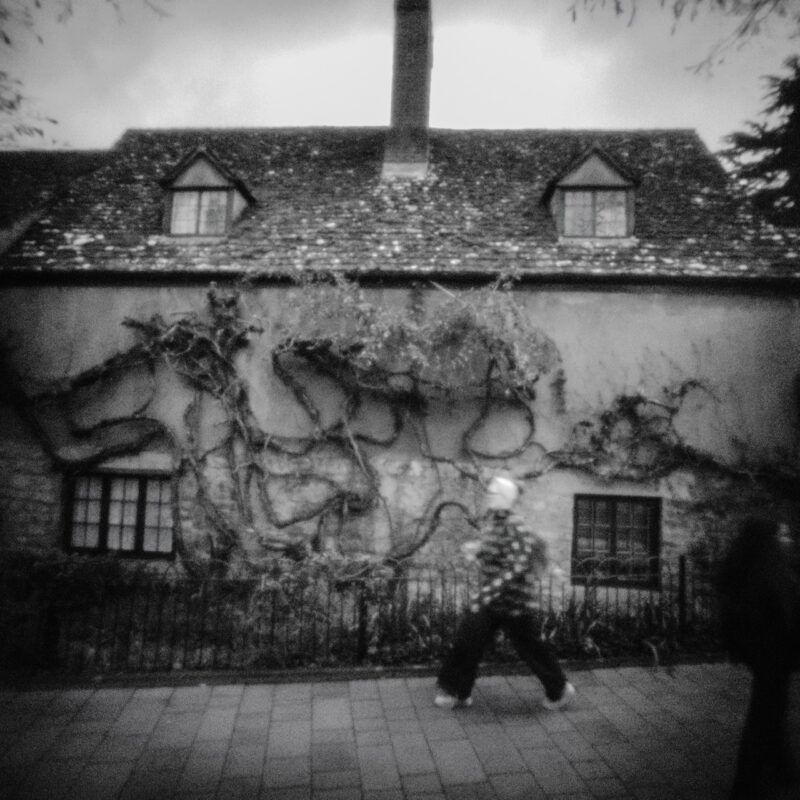
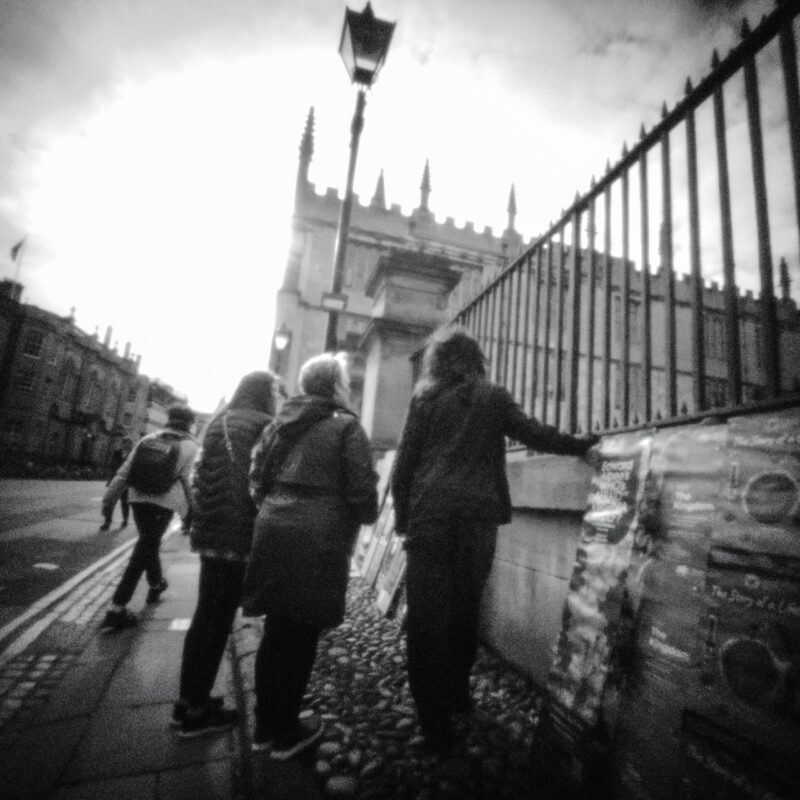
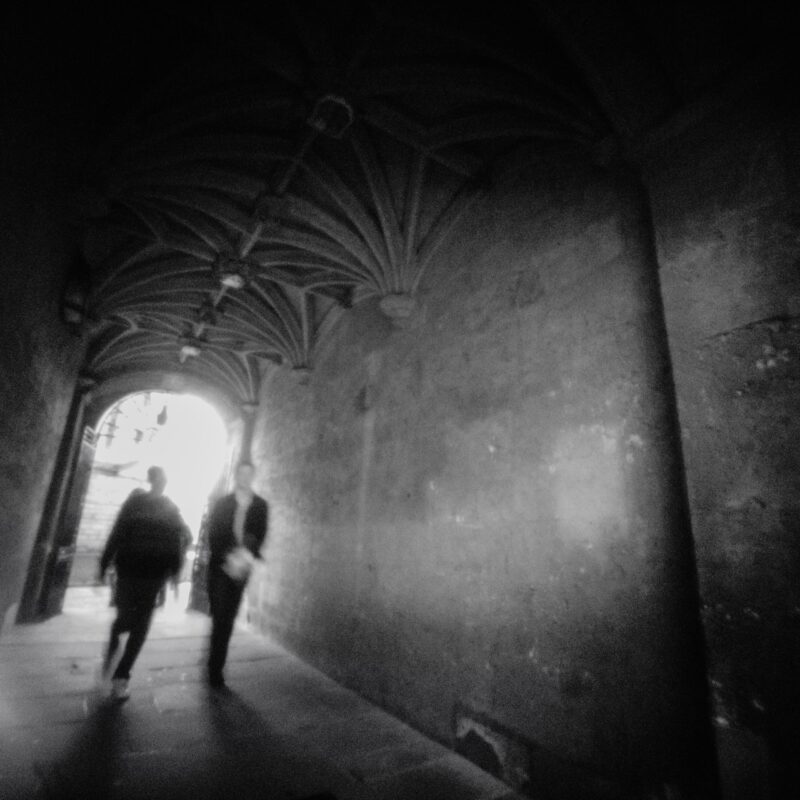
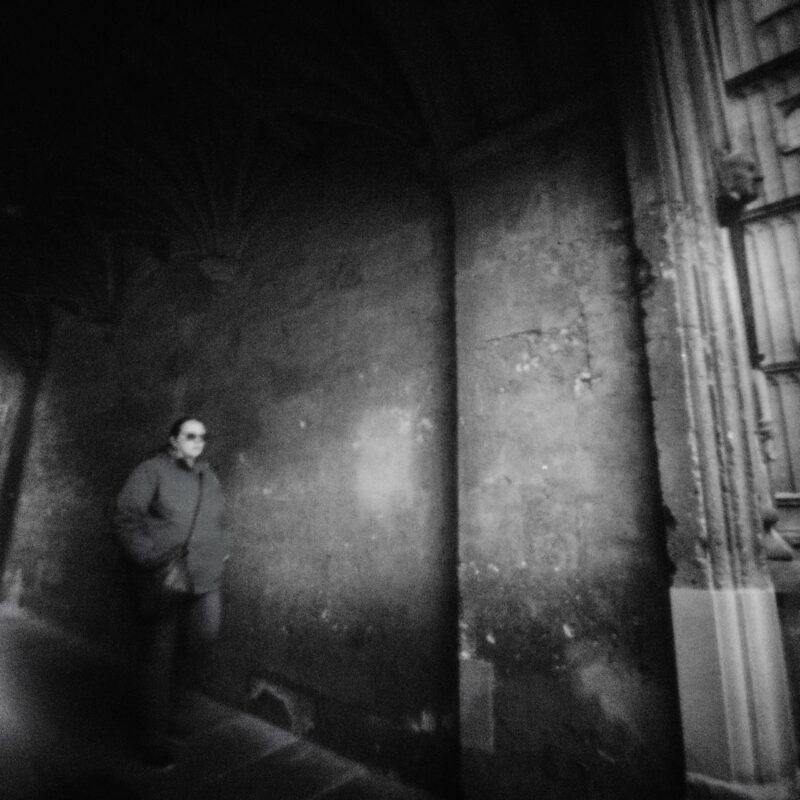
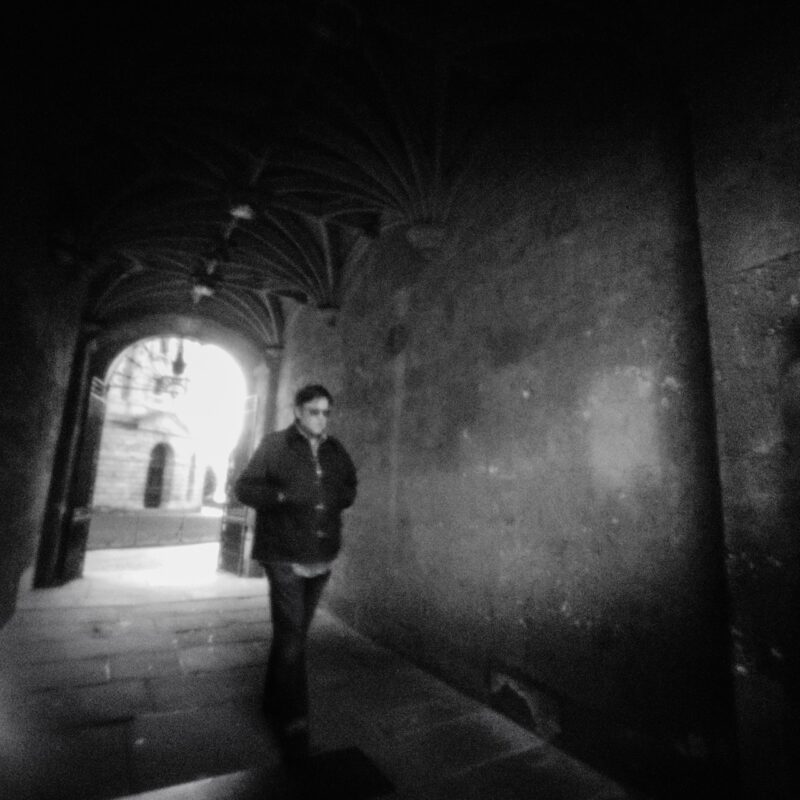
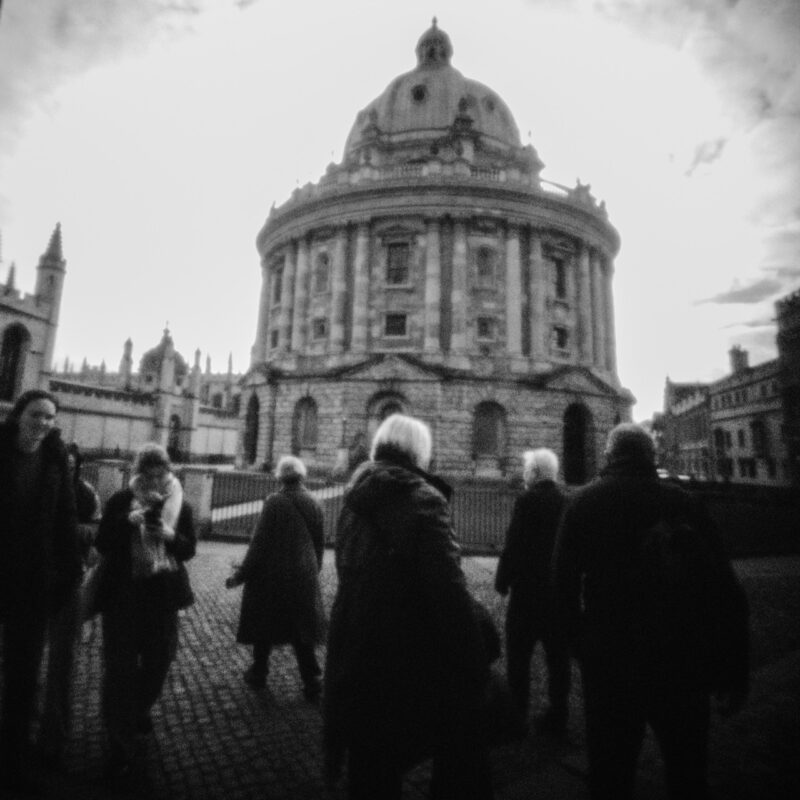
We also tend to think of digital photography as the exact opposite of pinhole photography. Digital systems offer instant feedback, ultra-high resolution, autofocus, and remarkable low-light performance. Pinhole photography is minimal, lensless, and dependent on patience.
And yet, these two worlds can coexist — like Dr. Jekyll and Mr. Hyde — not as enemies, but as complementary forces that enhance one another.
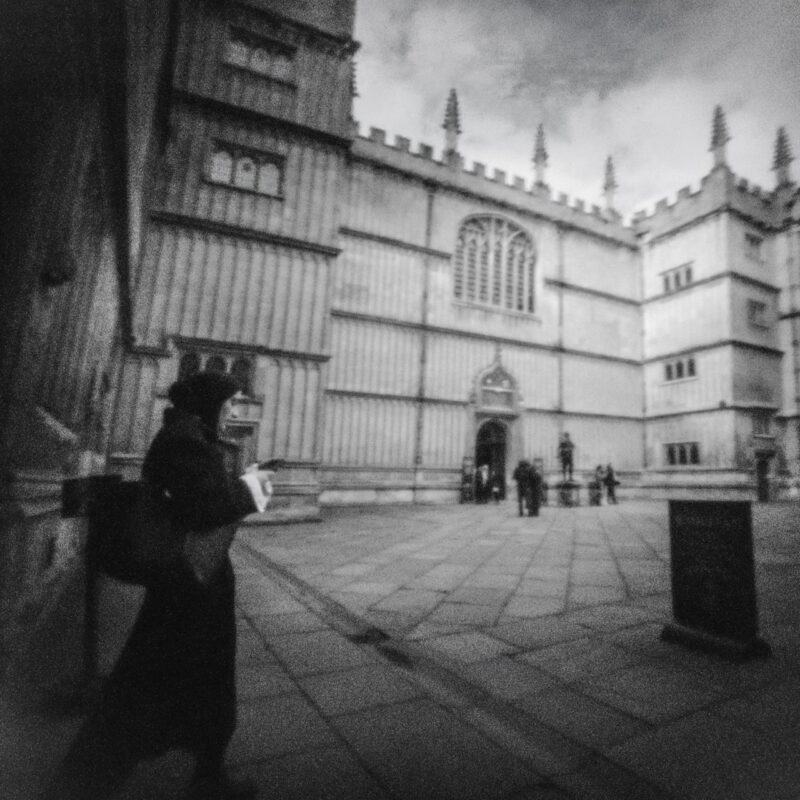

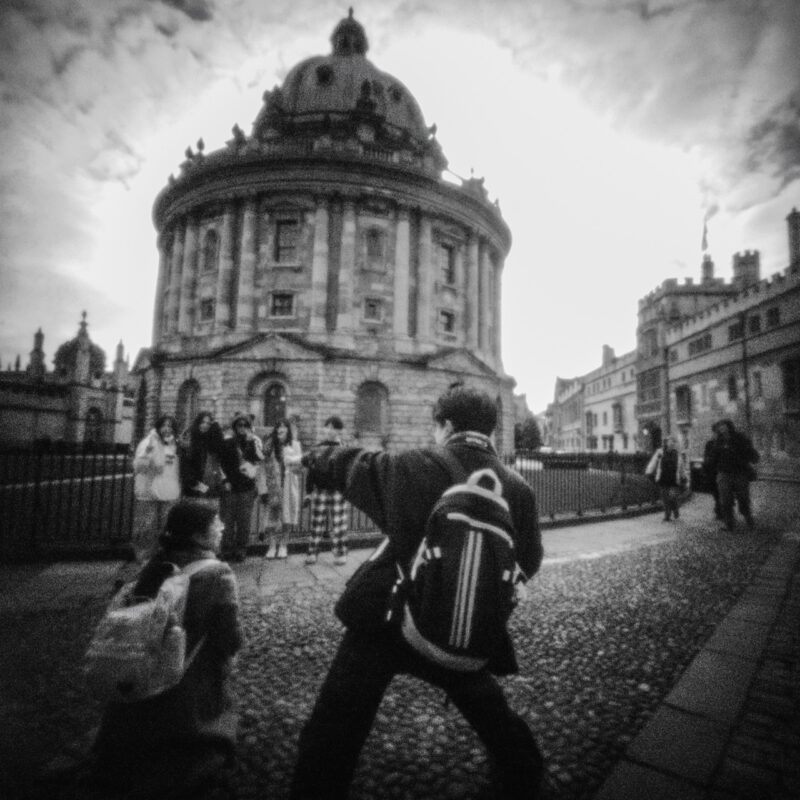
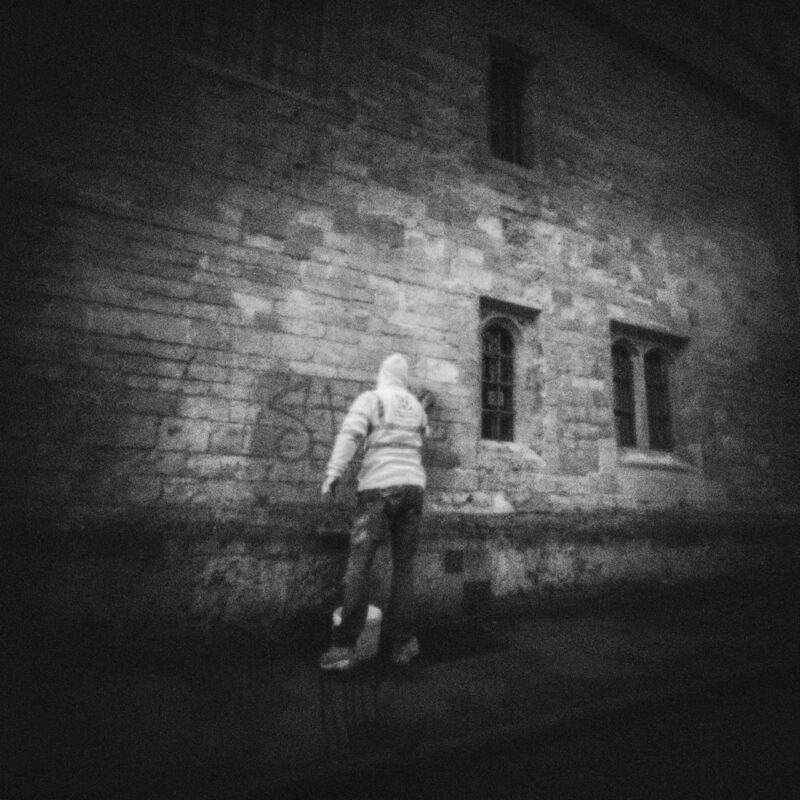
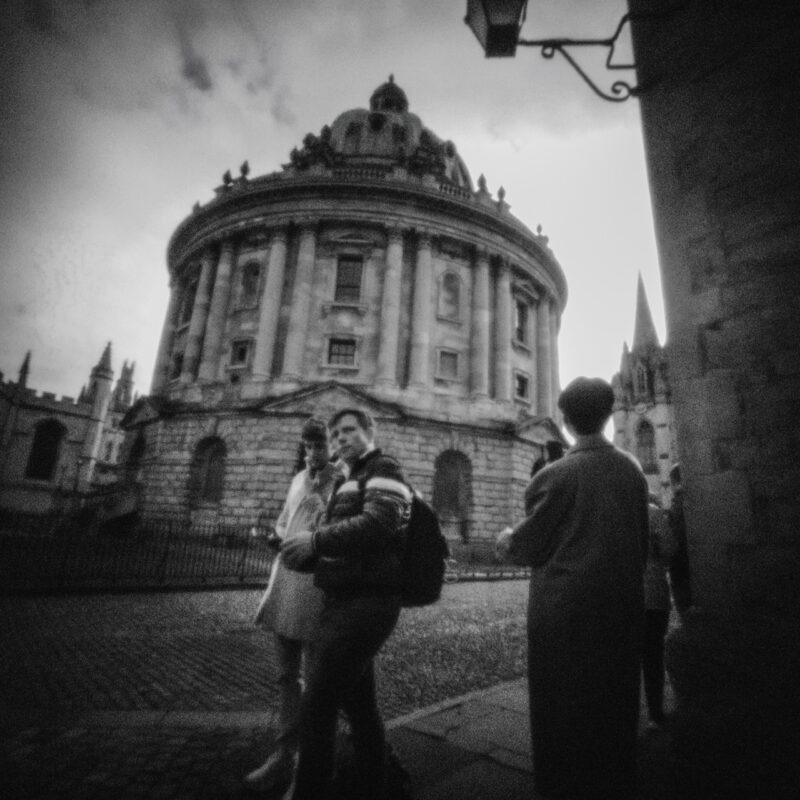
With the help of a simple adapter, a digital camera with interchangeable lenses can be transformed into a pinhole camera. By replacing the lens with a pinhole plate mounted on a body cap adapter, you effectively strip the camera down to its most essential optical form. The results, surprisingly, can be both compelling and aesthetically faithful to the pinhole tradition.
Andy from irresponsiblepics (Thanks Andy for the effort and the great work!!!) has been experimenting with digital pinhole photography for quite some time and has managed to achieve impressive results. His work demonstrates that digital pinhole street photography is not only possible, but creatively rewarding.
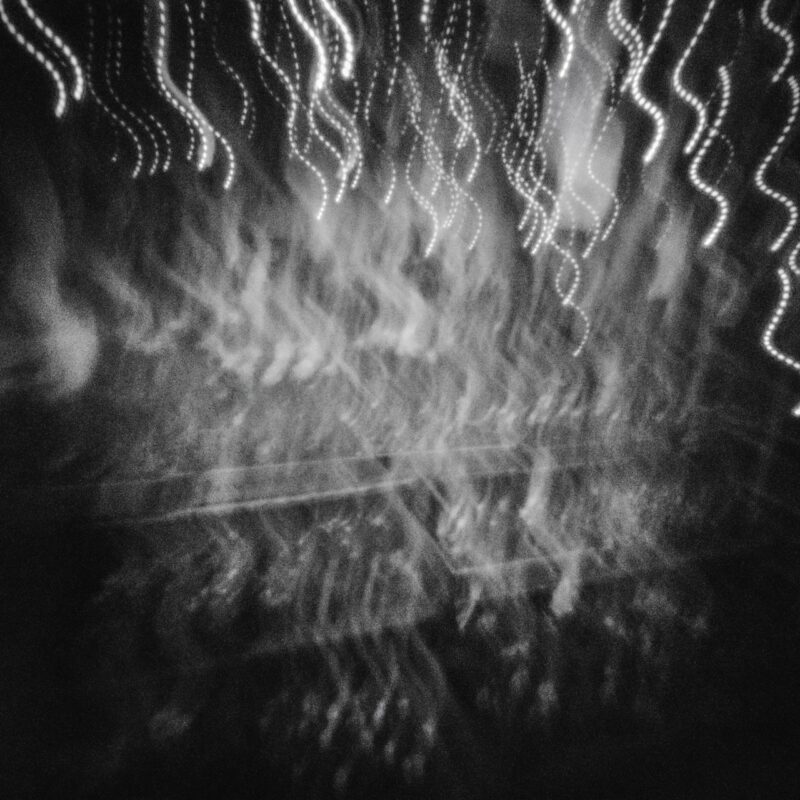
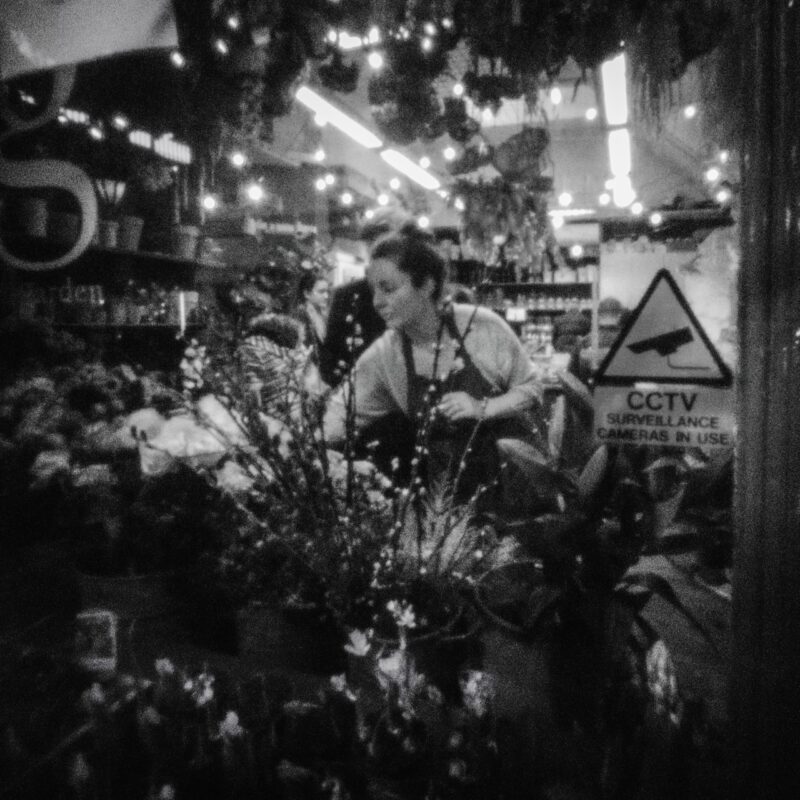
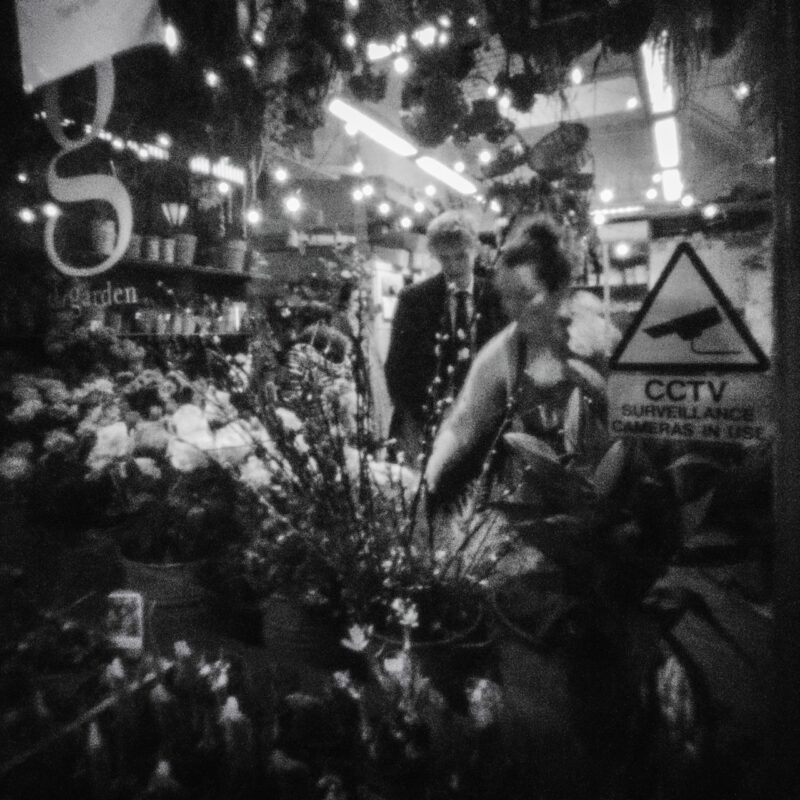
Technically, the process is straightforward. You remove the lens from your camera and attach an adapter fitted with a precision pinhole plate. As with any pinhole system, the distance between the pinhole and the sensor determines the angle of view. The closer the pinhole is to the sensor, the wider the angle of view and the shorter the exposure time required. This makes mirrorless cameras particularly well suited to digital pinhole work because of their shorter flange distance.
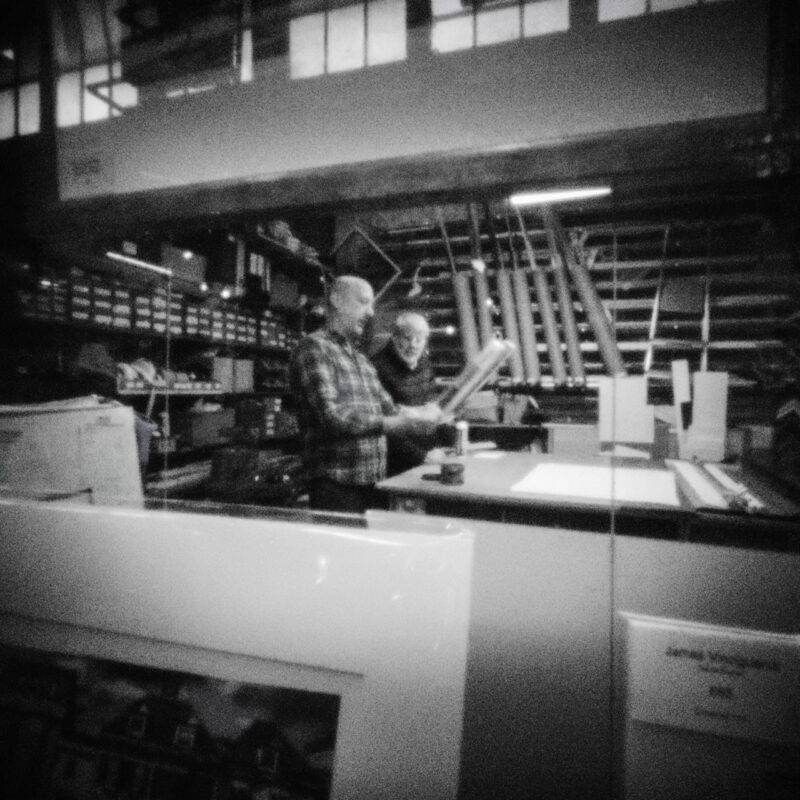
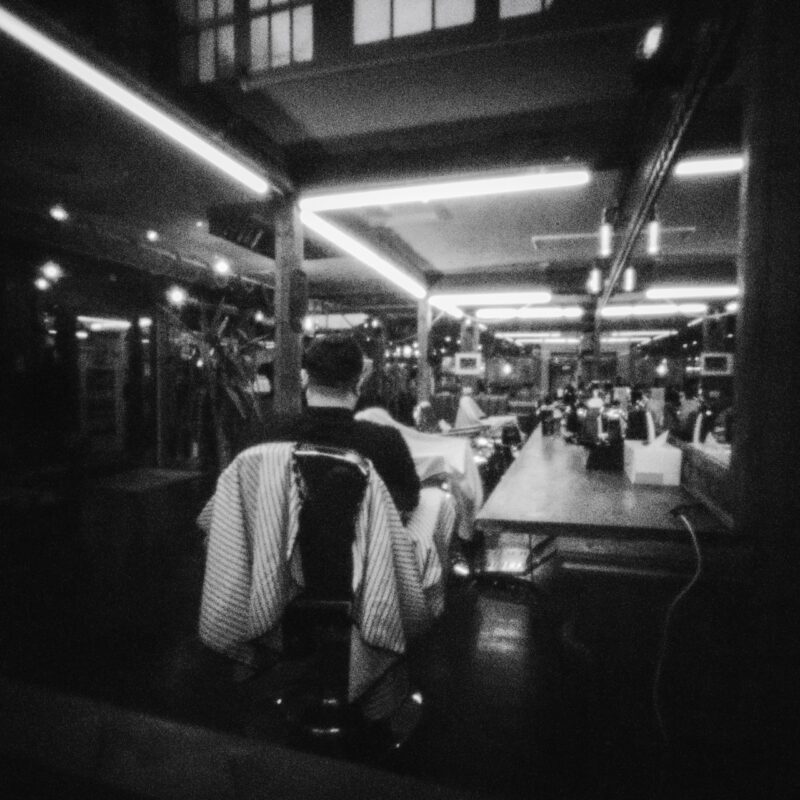
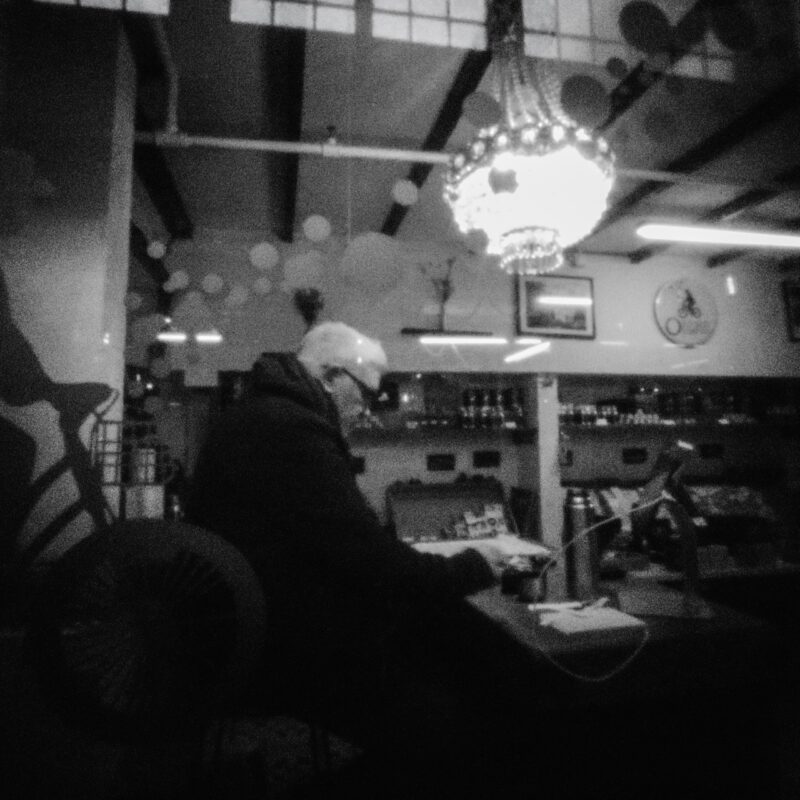
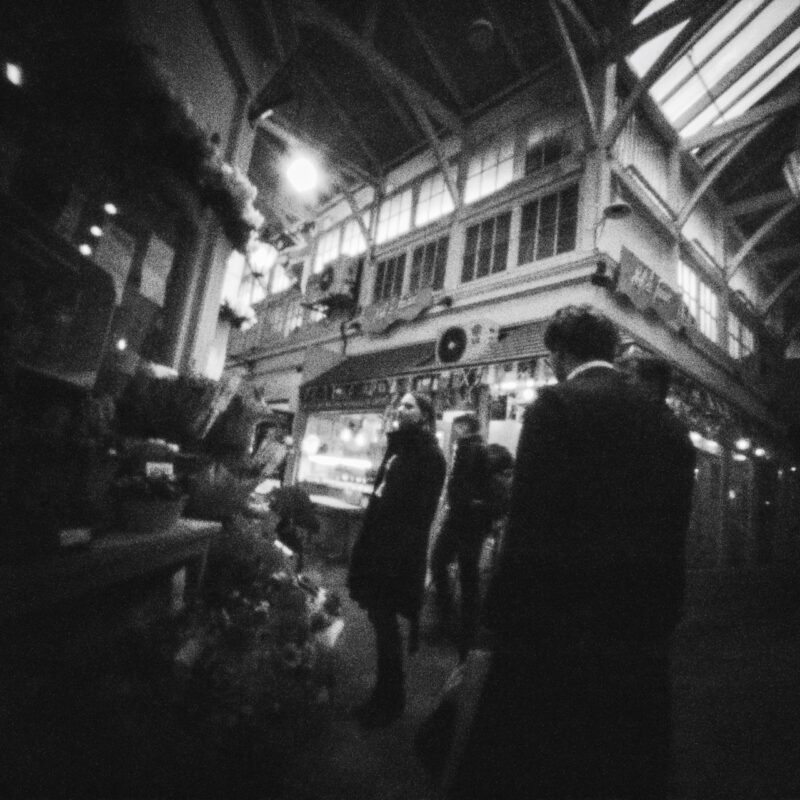
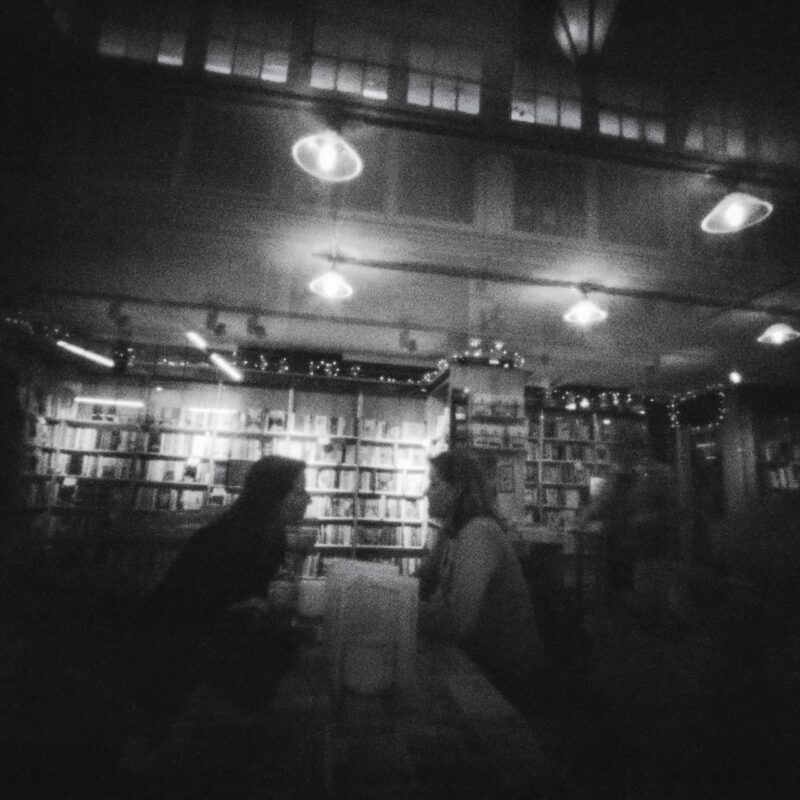
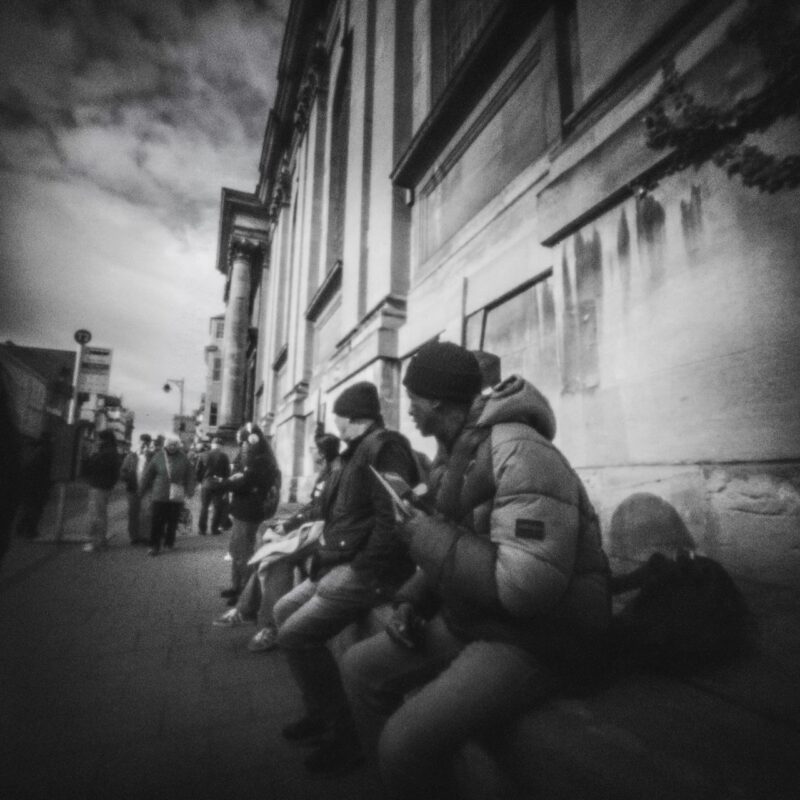
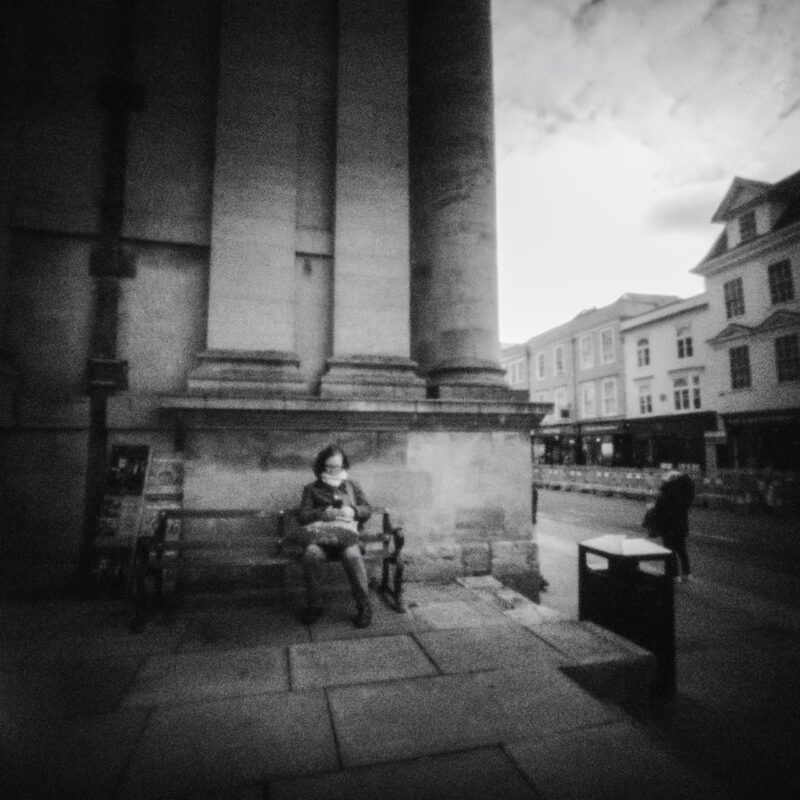
One of the key advantages of working digitally is the ability to raise the ISO significantly. By increasing ISO sensitivity, you can achieve much shorter exposure times than would typically be possible with a traditional film pinhole camera. This is crucial for street photography, where movement is constant and unpredictable. Faster shutter speeds allow people to remain relatively defined in the frame rather than dissolving into ghostly blurs.
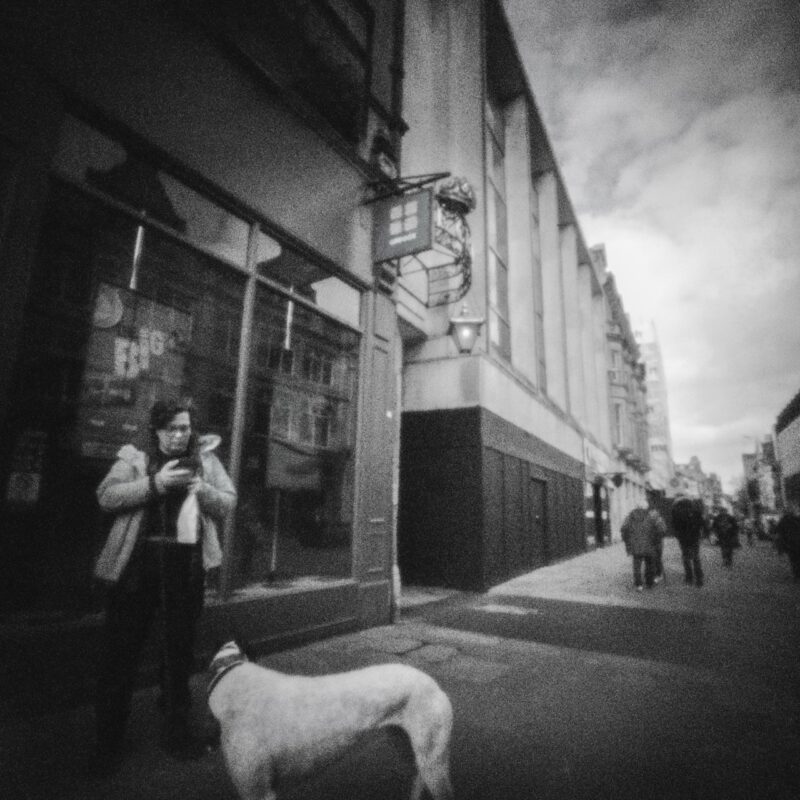
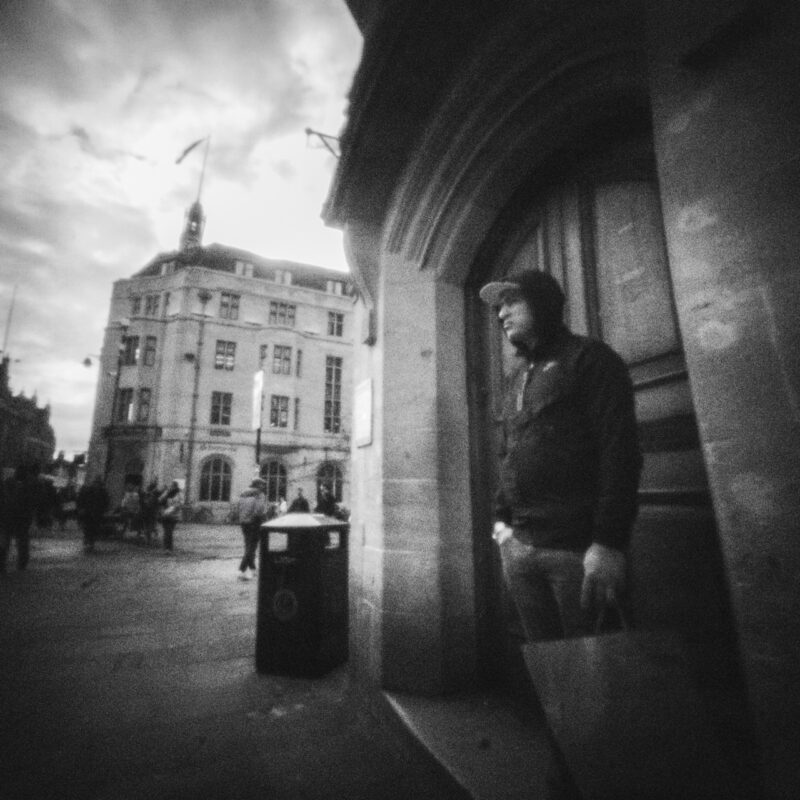
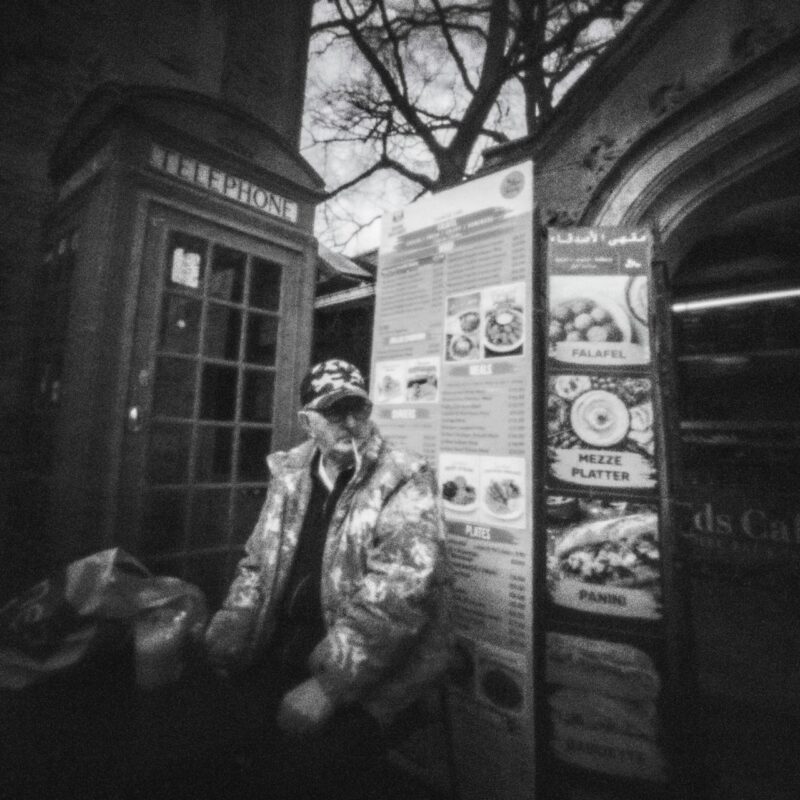
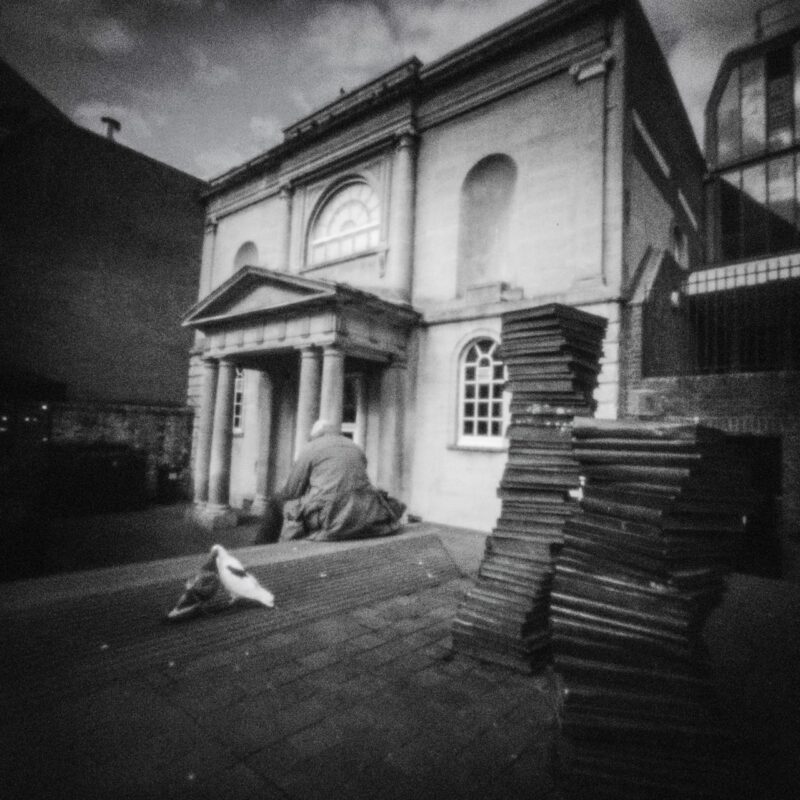
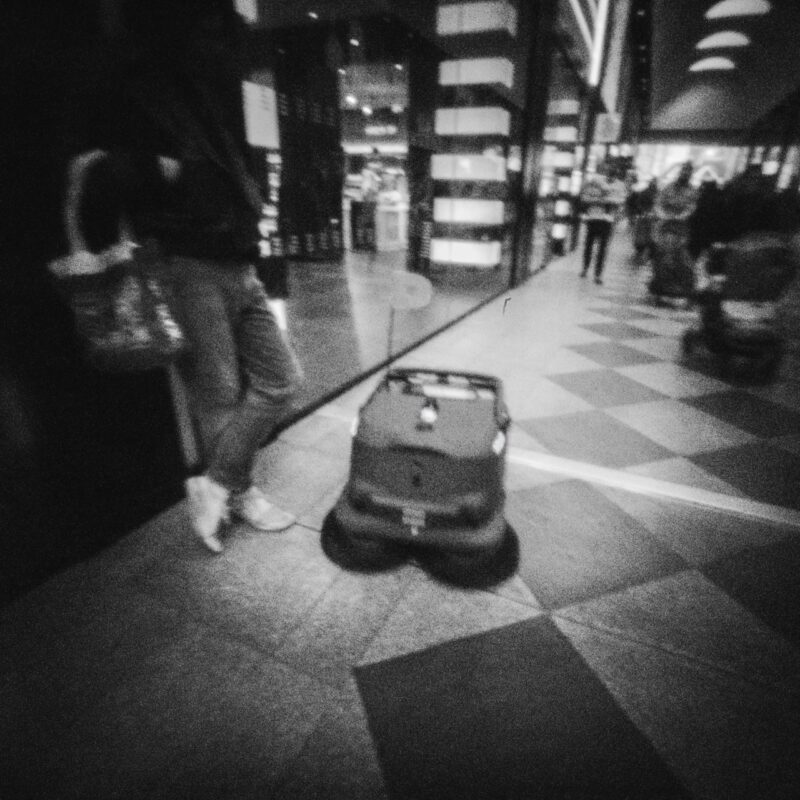
Interestingly, pushing the ISO also introduces digital noise, which can mimic — to some extent — the grain structure of film. This added texture enhances the “pinhole look” and brings a certain rawness to the image. Combined with the inherent softness and vignetting produced by the pinhole itself, the result can feel both contemporary and timeless.
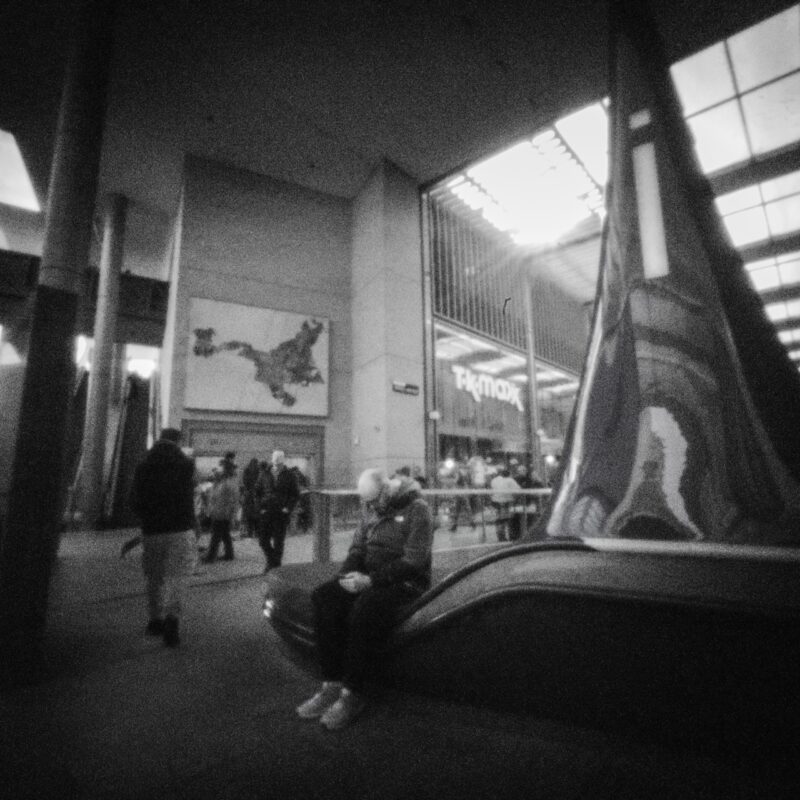
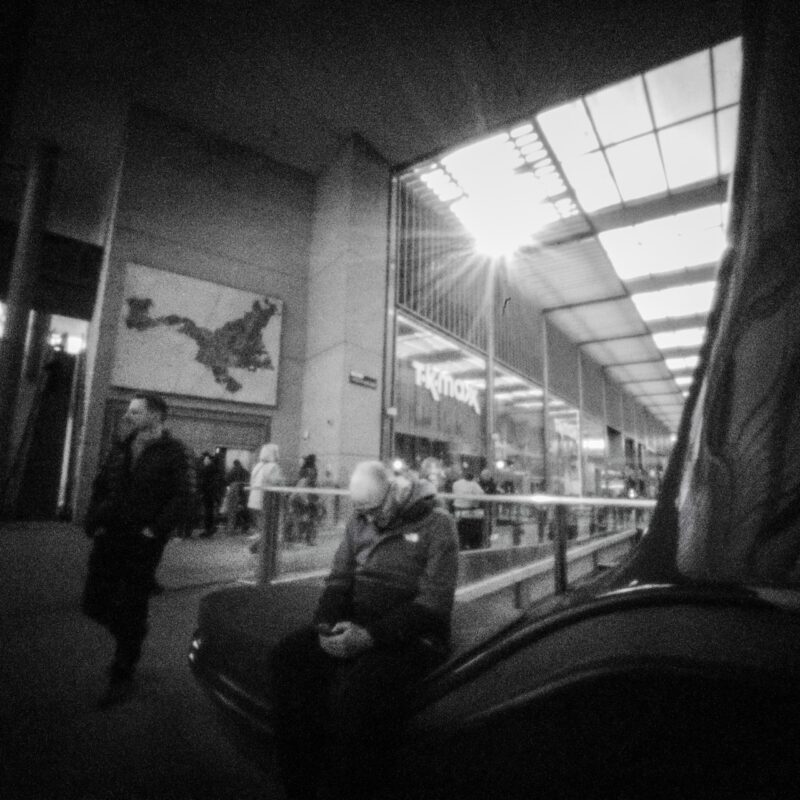
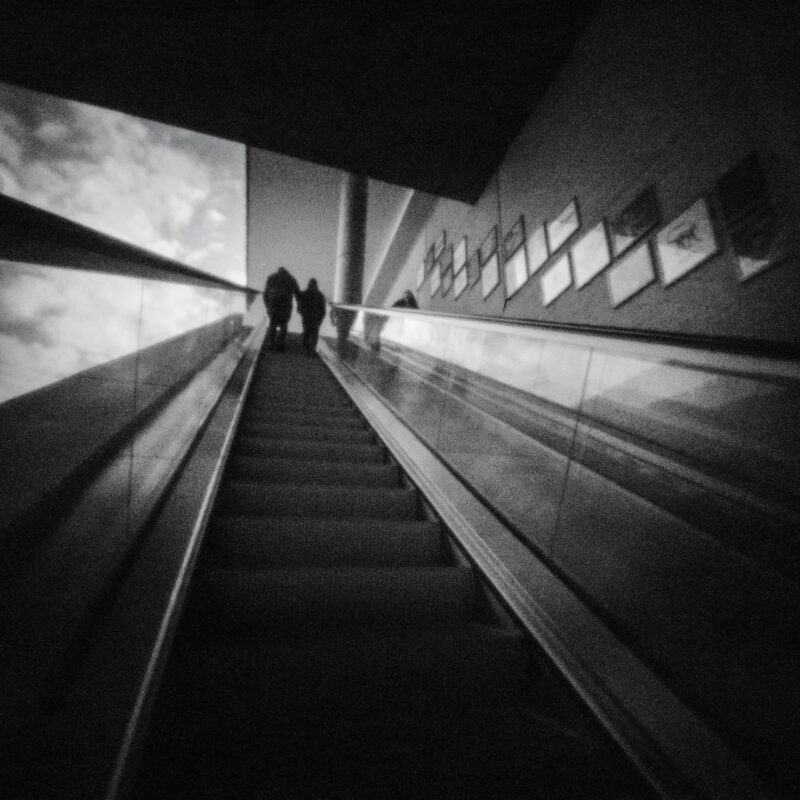
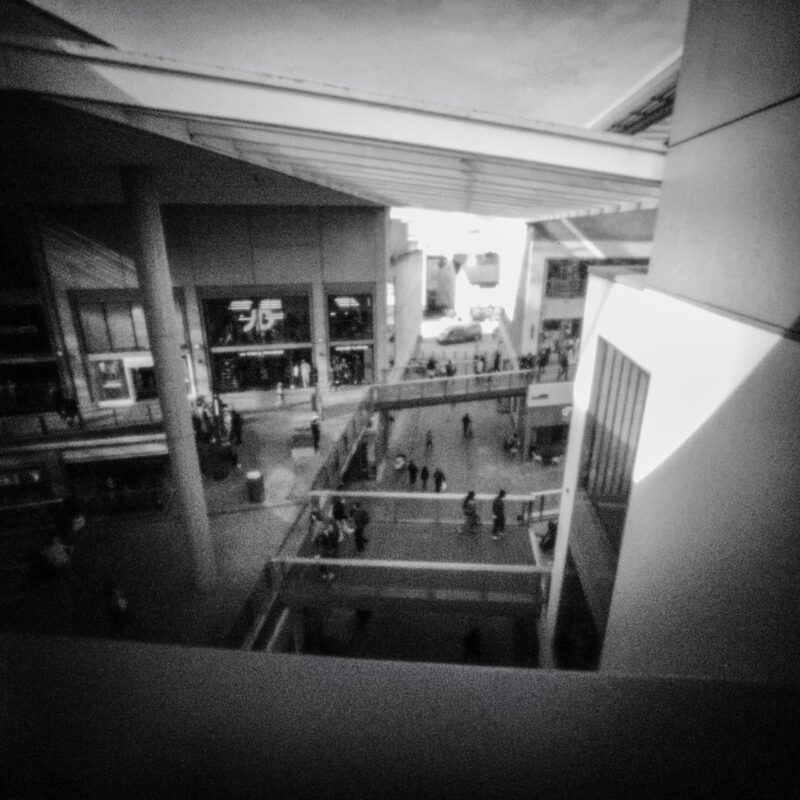
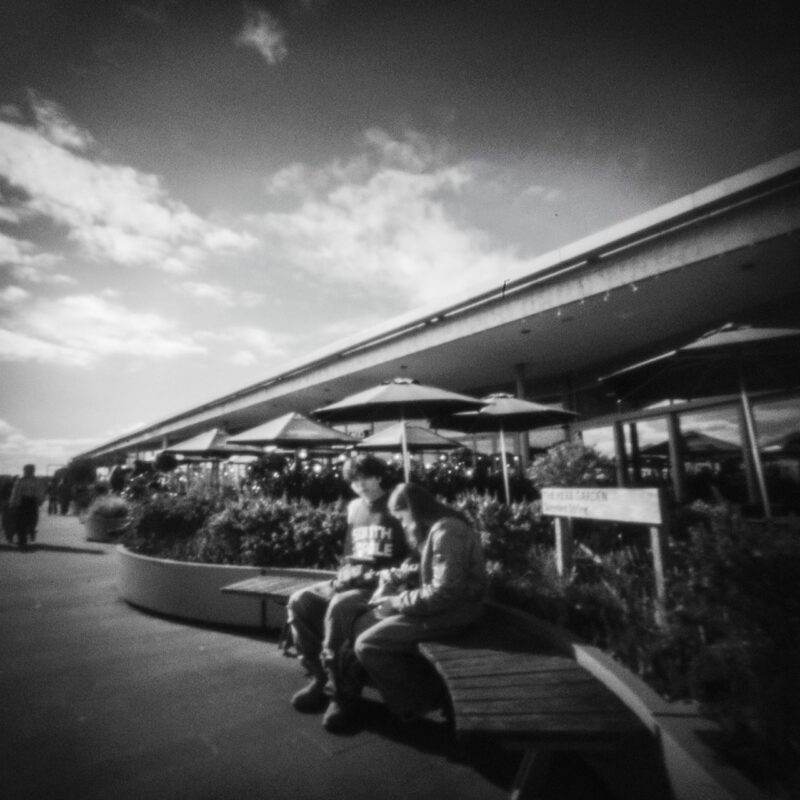
Some of these images would have been extremely difficult, if not impossible, to achieve with a traditional film-based pinhole camera. Film often requires long exposures, especially in moderate light, leading to pronounced motion blur in busy urban environments. With a digital setup, however, people can remain recognisable, gestures can be preserved, and yet the photograph still carries the unmistakable signature of pinhole aesthetics: softness, subtle distortion, and a dreamlike atmosphere.
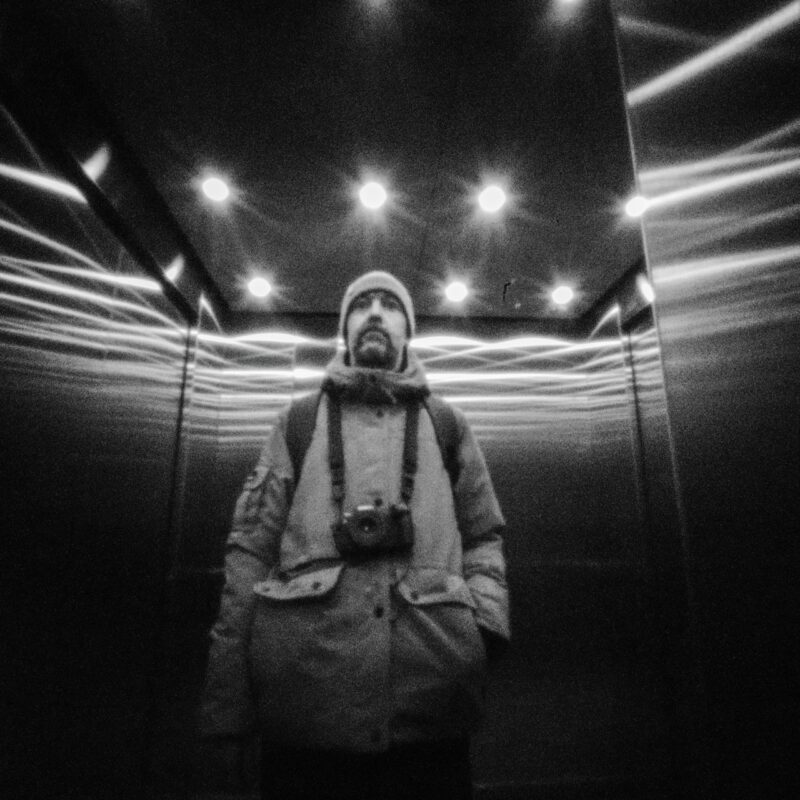
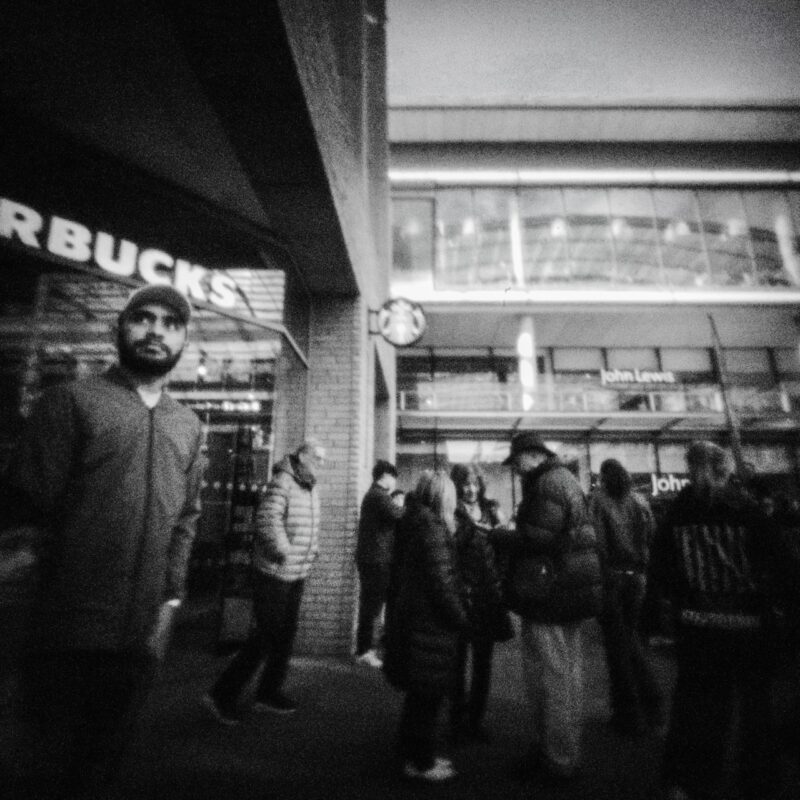
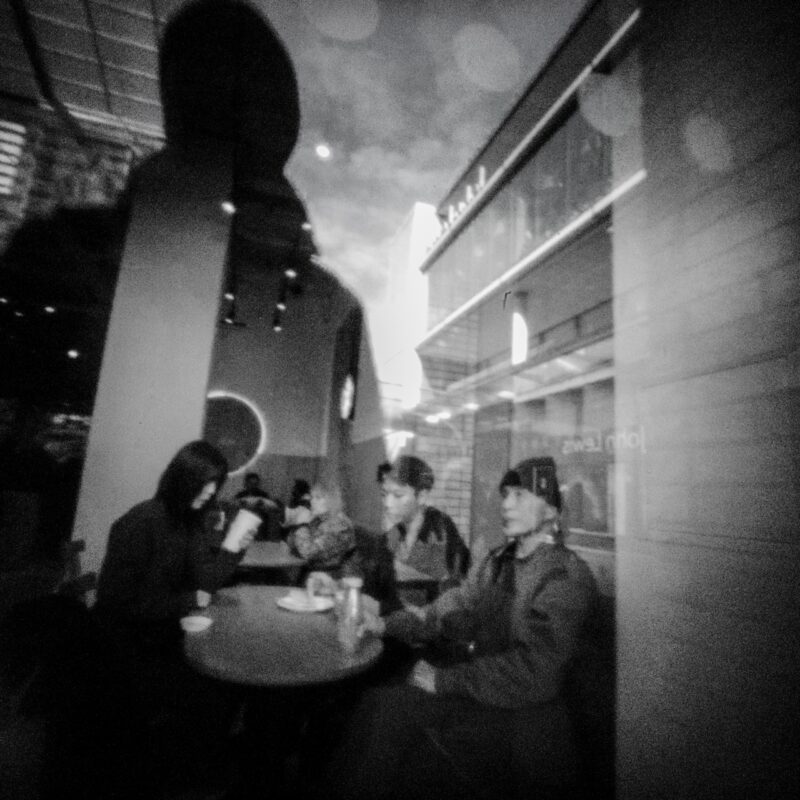
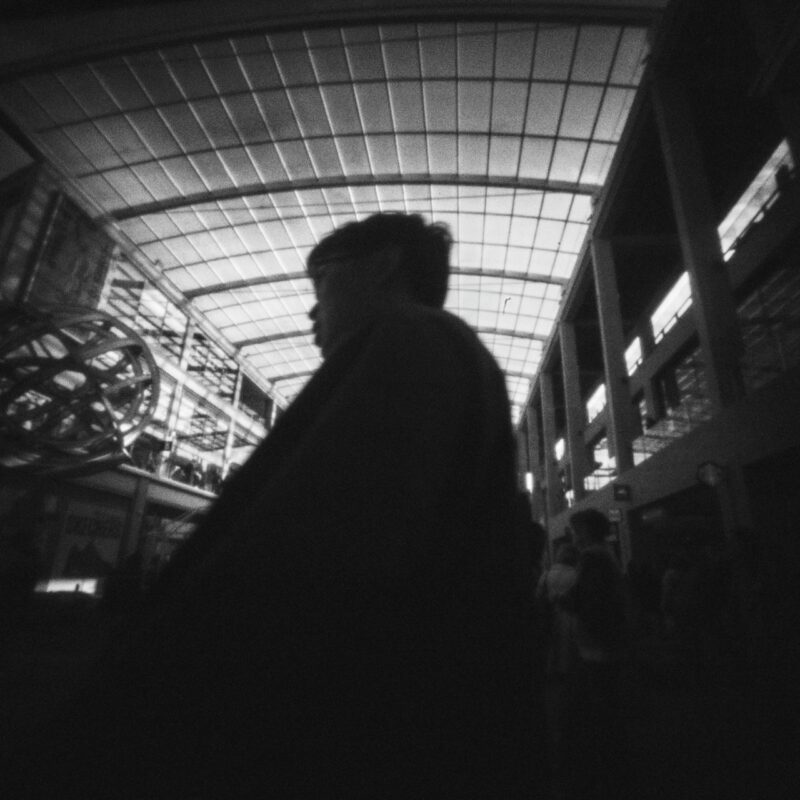
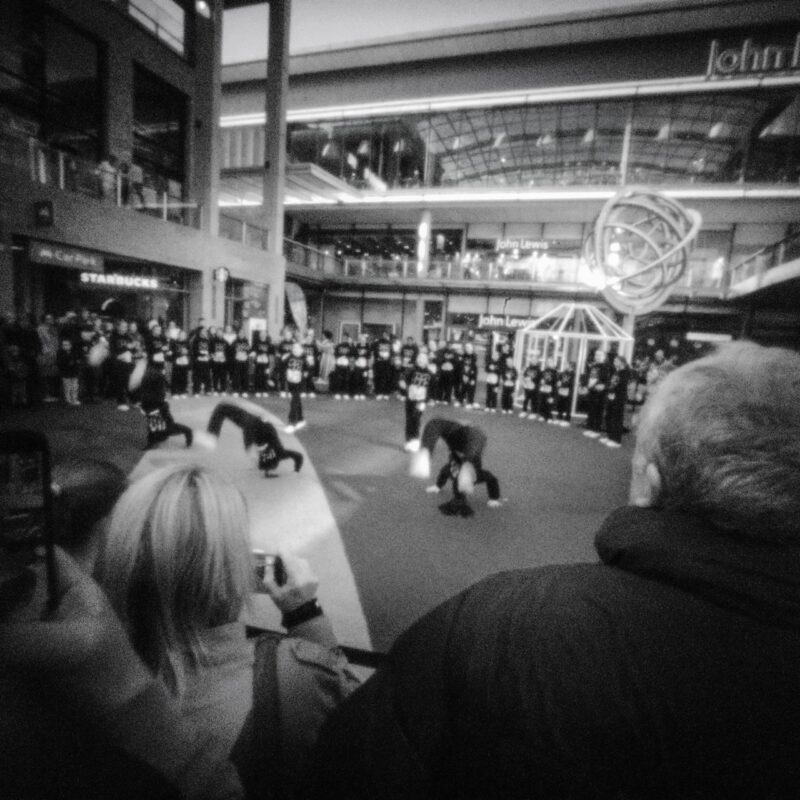
Of course, one might argue that a similar effect could be achieved by shooting digitally with a conventional lens and then simulating the pinhole look in post-production. Blur can be added, sharpness reduced, vignettes applied, and grain introduced. Technically, this is true.
But the experience — and the outcome — are not the same.
Simulating pinhole effects on a computer often requires significant time in front of a monitor, carefully adjusting sliders to approximate something that is, by nature, organic and imperfect. When you swap your lens for a pinhole plate, much of the transformation happens in-camera. The softness is real. The light falloff is optical, not digital. The unpredictability of framing is part of the shooting process itself, not an artificial overlay.
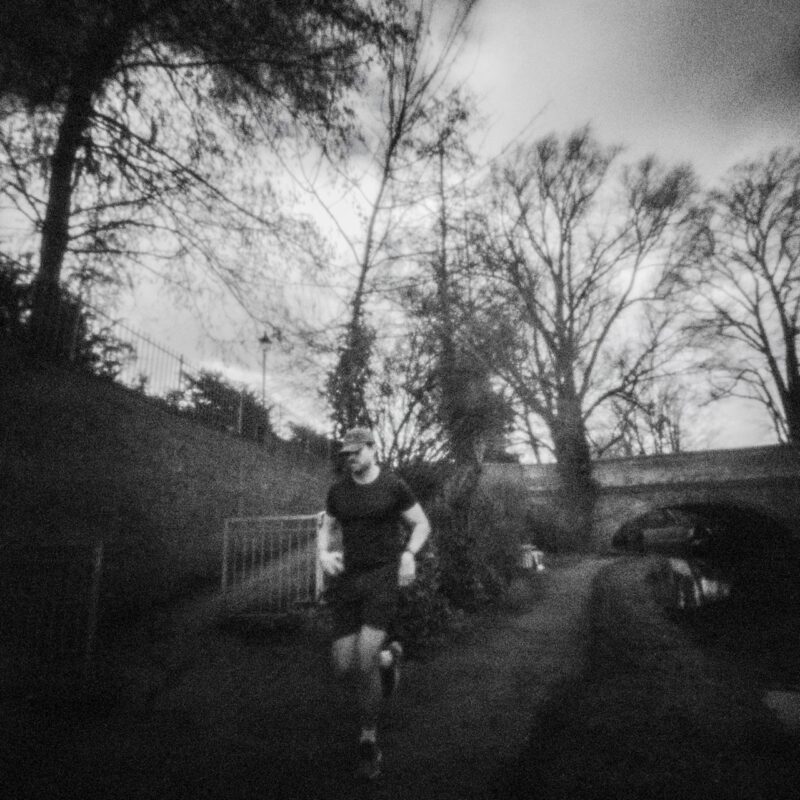
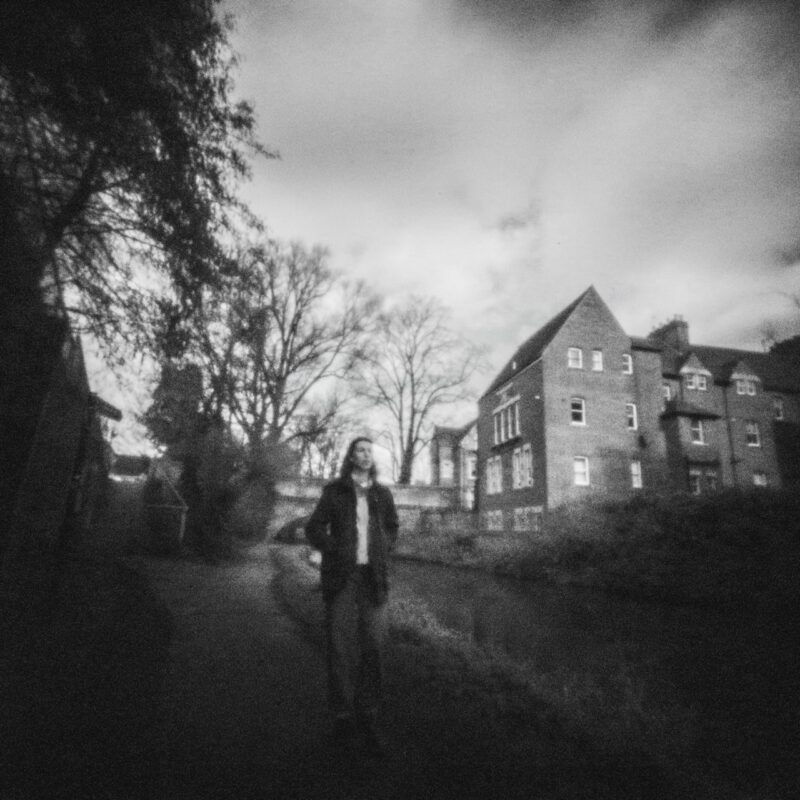
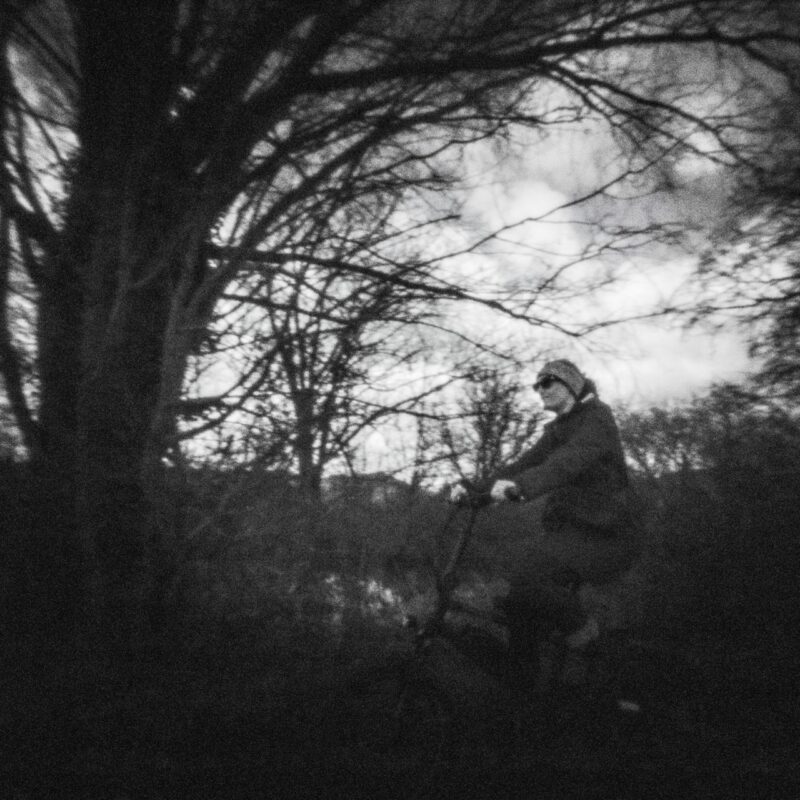
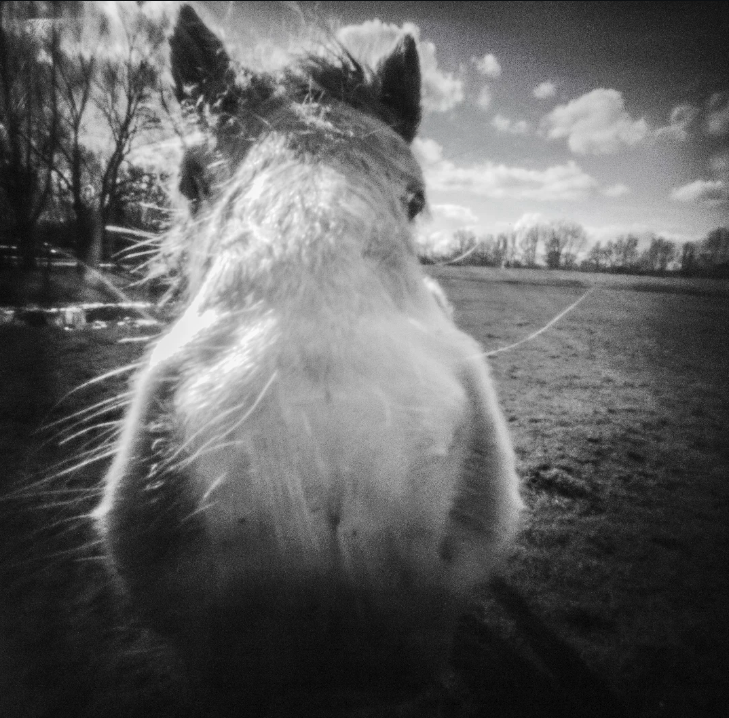
More importantly, working with a pinhole plate changes your mindset. You slow down. You become more deliberate. You accept imperfection. Even though you are using modern digital technology, you are embracing an older, more contemplative way of seeing.
In this sense, digital and pinhole photography are not opposites at all. They are collaborators. Digital technology provides flexibility, higher sensitivity, and immediate feedback. The pinhole plate reintroduces simplicity, limitation, and poetic ambiguity.
Together, they form a hybrid practice — one that allows street photography to step away from razor-sharp precision and rediscover atmosphere, mood, and the quiet beauty of imperfection.
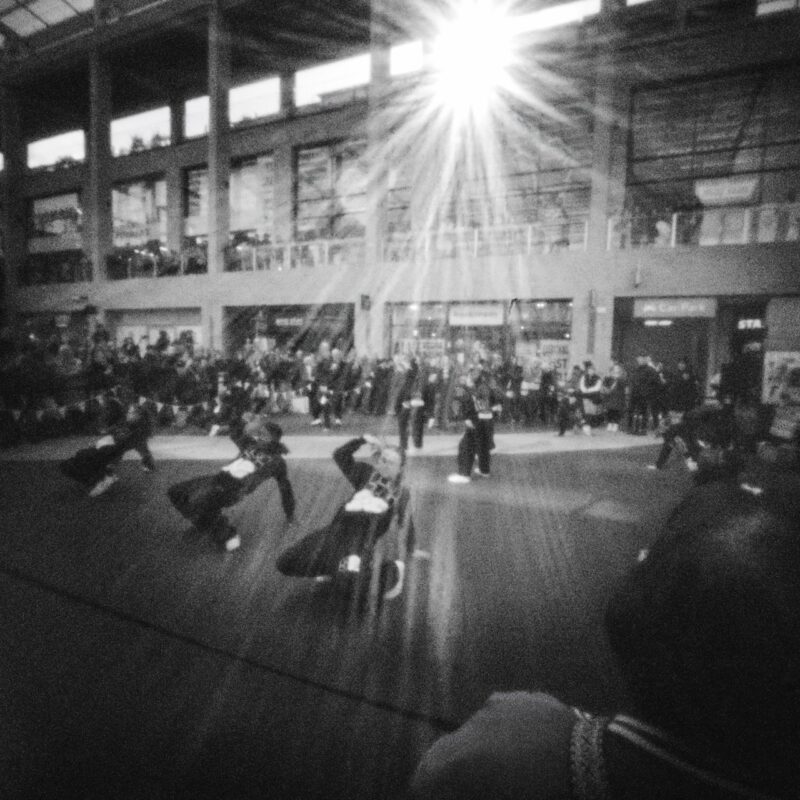
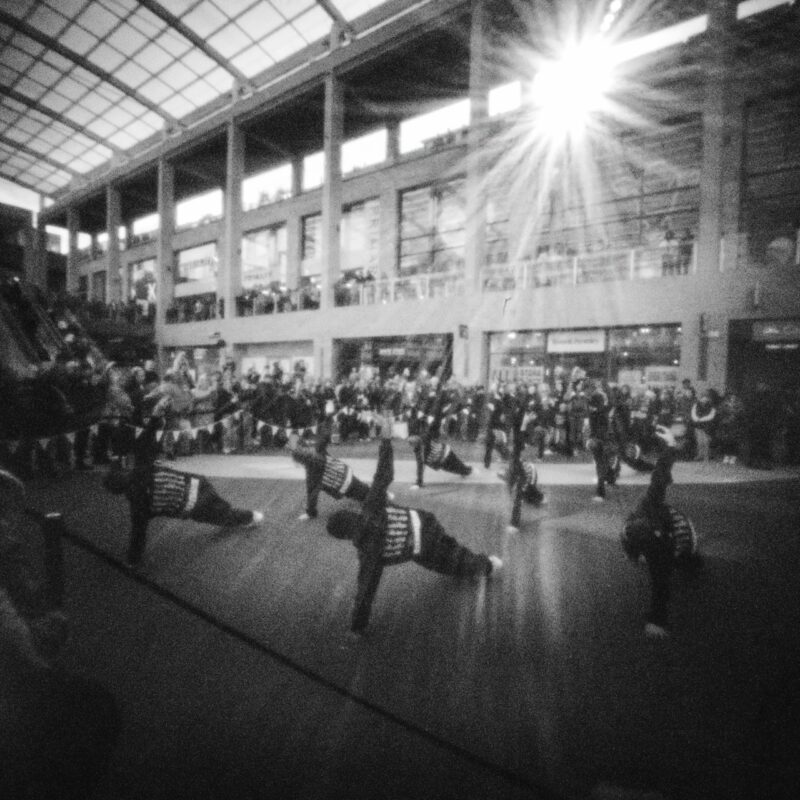
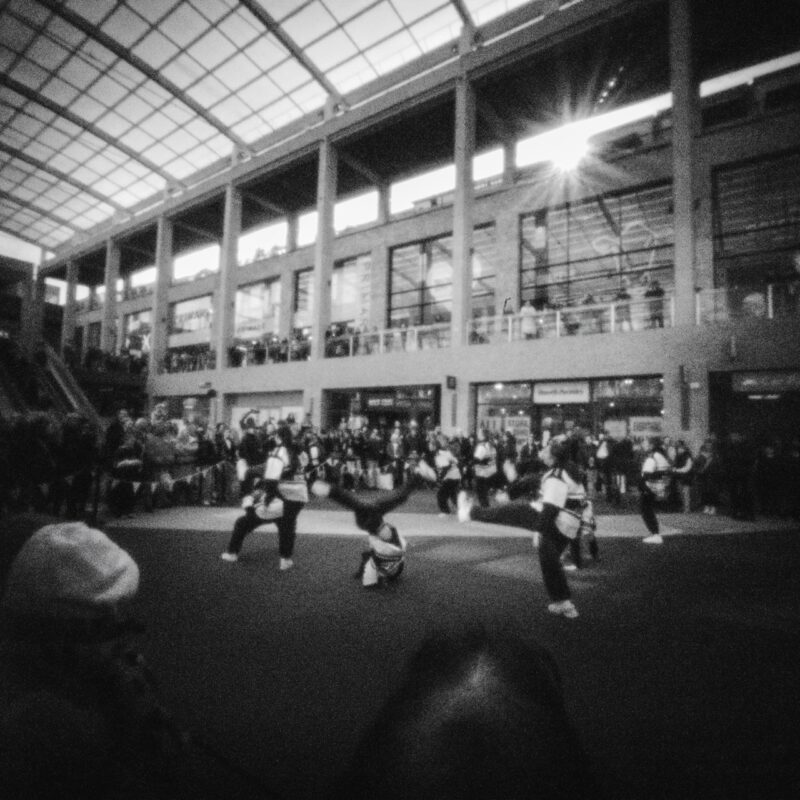
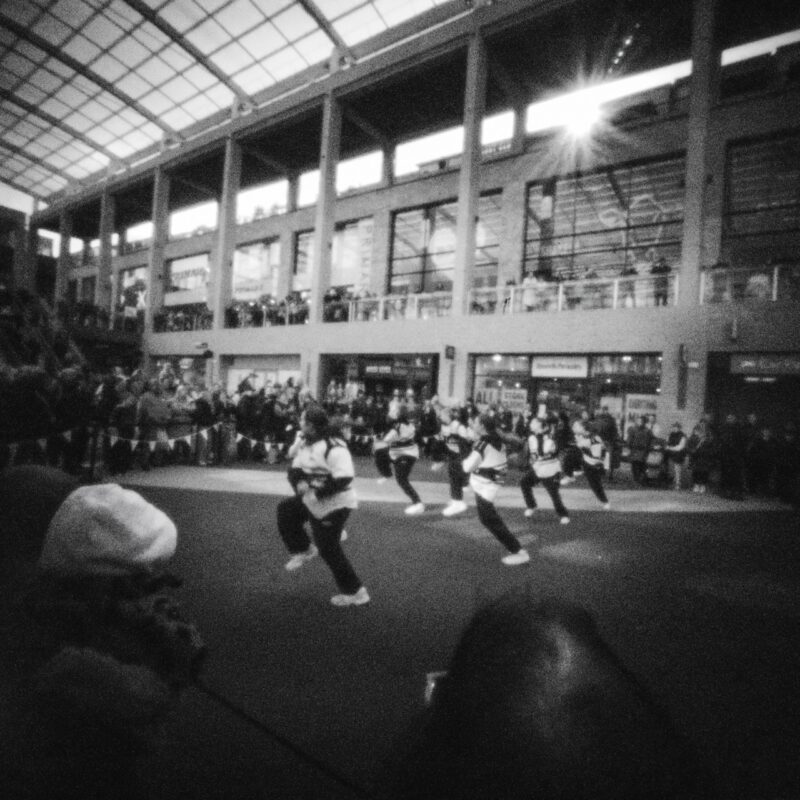
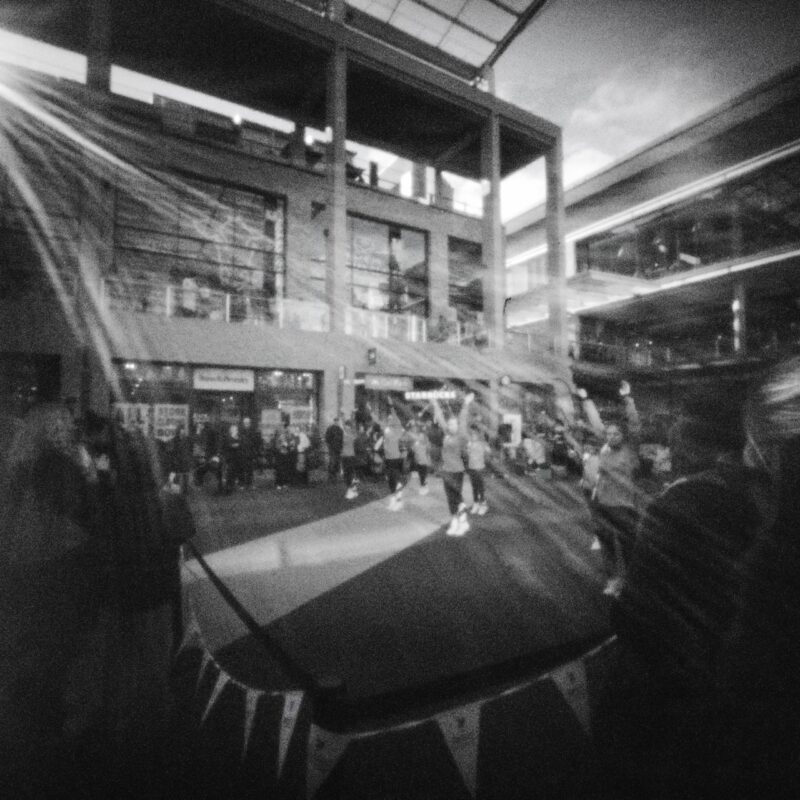
Rather than replacing one another, digital and pinhole photography can coexist — each tempering and enriching the other. And perhaps, in that unlikely partnership, lies a new and exciting way of seeing the streets.
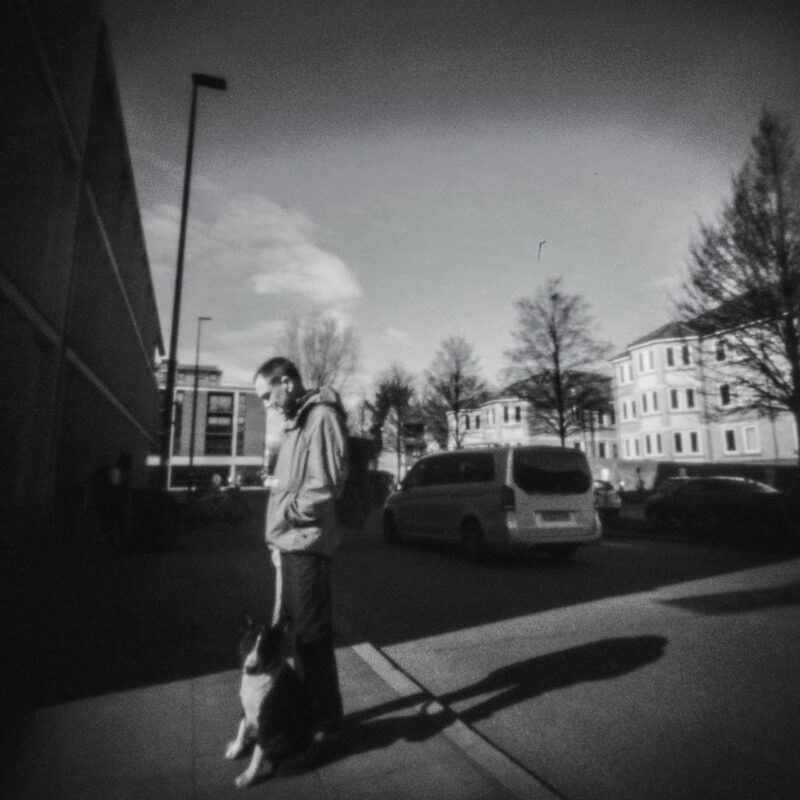
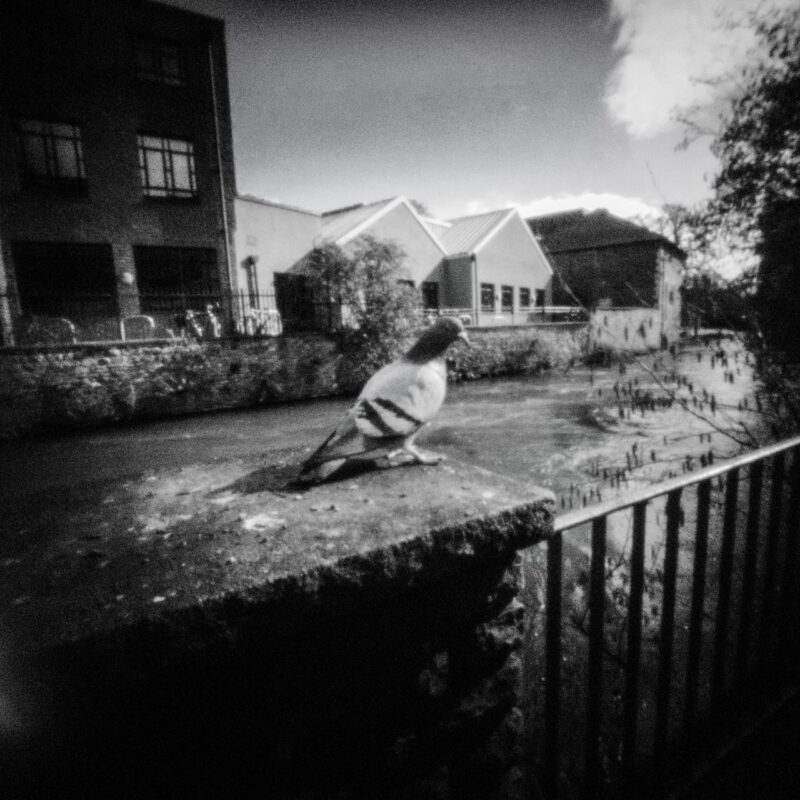
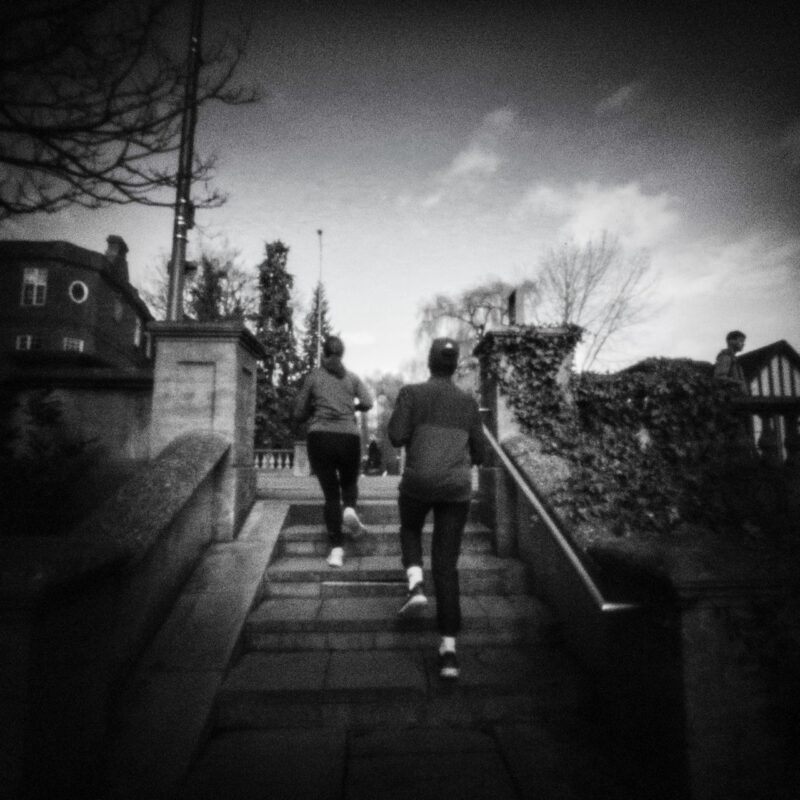
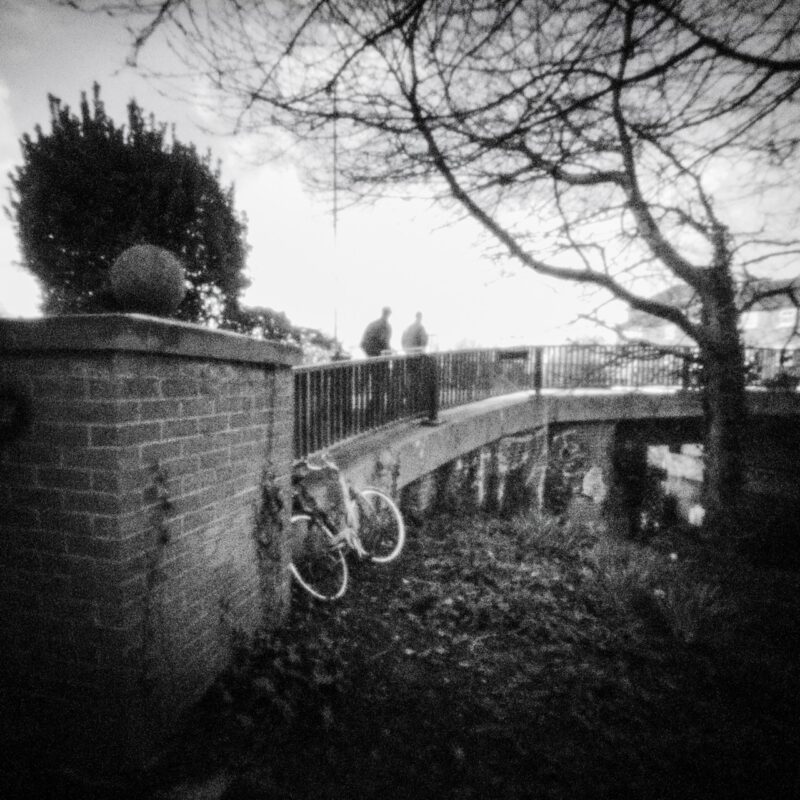
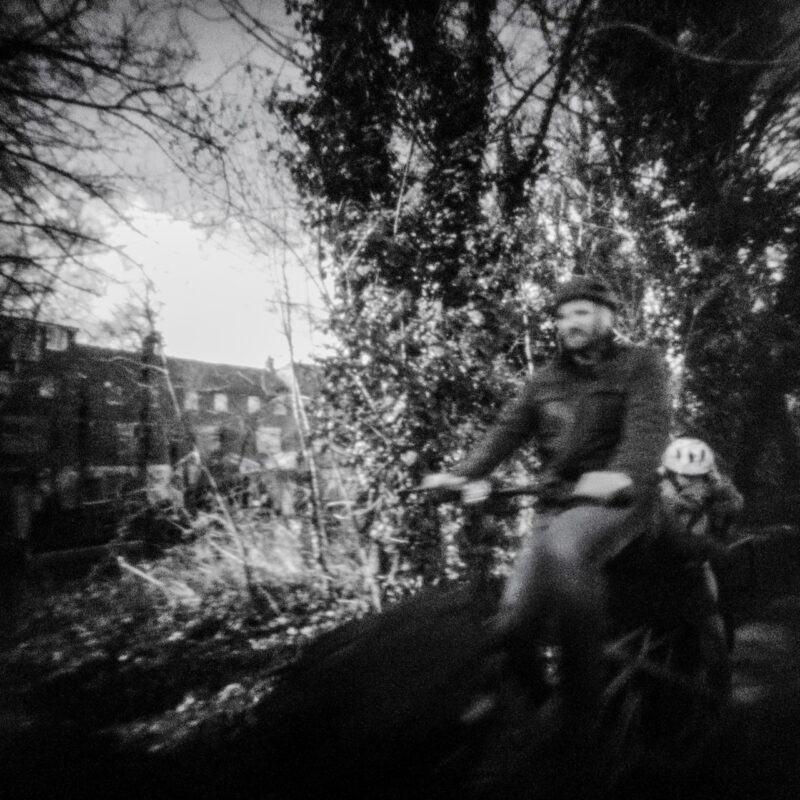
From Andy who shoot all these brilliant images:
“ISO varied between 12,500 and 40,000 when shooting in covered markets, interiors, and shopping centres, with shutter speeds around 1/4 of a second. In some cases, I had to push the exposure slightly in post-processing to balance the files.
Outdoors, the settings were much more forgiving: typically between 1/50th and 1/160th of a second at around ISO 1000, depending on the available light.
The focal length equivalent was extremely wide — I would estimate roughly 14mm on a full-frame sensor. That kind of field of view isn’t exactly ideal for candid street portraits, as it requires getting physically very close to the subject. In many cases, I was literally right up next to people to fill the frame.
In fact, in the photograph of the horse, I was close enough to be touching its nose.”