
0
Rethinking the Pinhole — Beyond the Classic Circle
Pinhole photography is often associated with simplicity: a tiny circular aperture, long exposures, and soft, dreamlike images. But what happens when you move beyond the traditional shape?
Some time ago, I became curious about experimenting with unconventional pinhole plate shapes — not just circular holes, but designs that could reshape how light behaves. The idea was simple: if the pinhole defines the image, then changing its geometry should open up entirely new visual possibilities.
At the time, I tested a few of these designs on film. The results were unpredictable, and achieving a satisfying image proved more difficult than expected. With the rising cost of film and the added time required for developing and scanning, it felt like a demanding process for such experimental work. So the idea was set aside… temporarily.
Why Digital Changes the Game for Pinhole Experiments
Revisiting this project became possible thanks to digital pinhole photography.
Digital cameras offer a more flexible and immediate workflow, making them ideal for testing experimental pinhole designs. Without the cost and delay of film processing, it becomes much easier to iterate, refine, and explore creative ideas.
Since I don’t currently own a suitable digital setup, a big thanks goes to Dave, who kindly helped bring these experiments to life.
I see digital photography in a similar way to how many people view AI: it doesn’t replace the analogue process, but it complements it. Film retains its unique tactile and organic qualities, while digital opens the door to faster experimentation and new creative approaches.
Both have their place.
Experimental Pinhole Plate Shapes
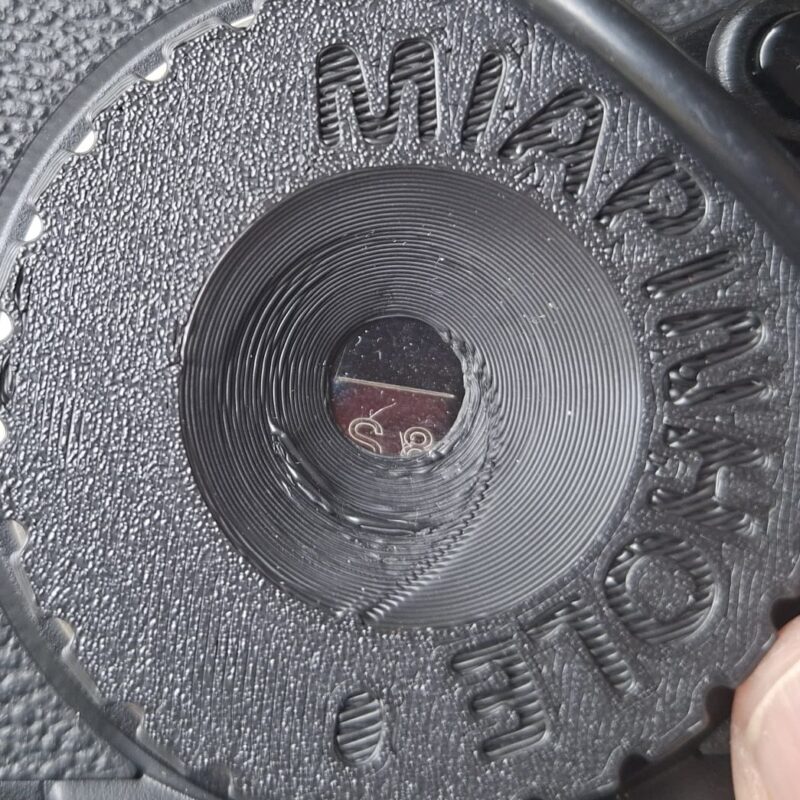
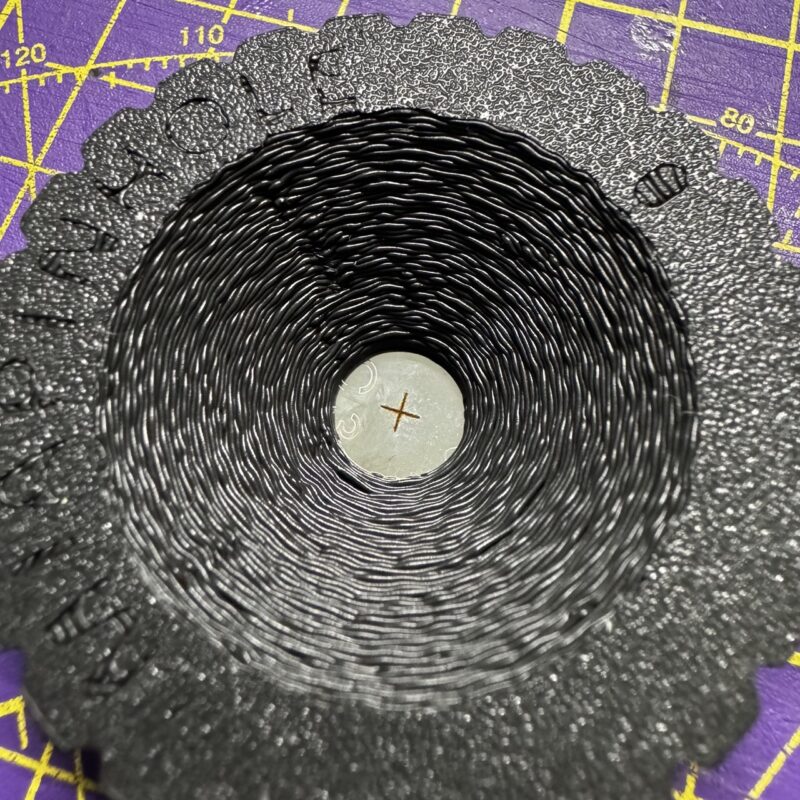
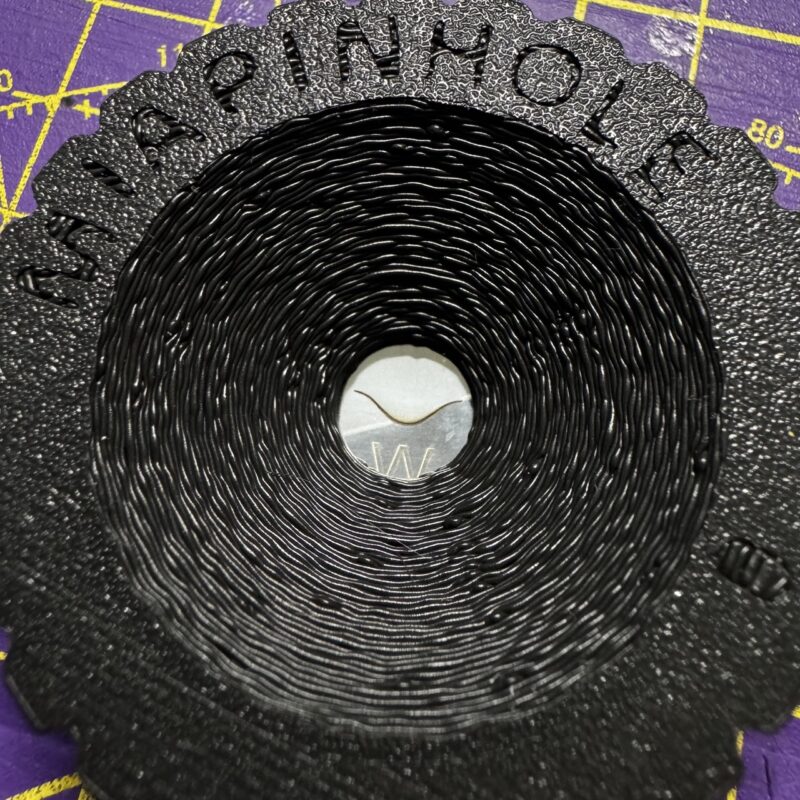
For this exploration, I designed three different pinhole plate shapes, each offering a distinct way of rendering light:
- Slit pinhole
- Cross-shaped pinhole
- Wave-shaped pinhole
These are not just aesthetic variations — each shape fundamentally alters how light enters the camera and forms an image.
Slit Pinhole Photography Results
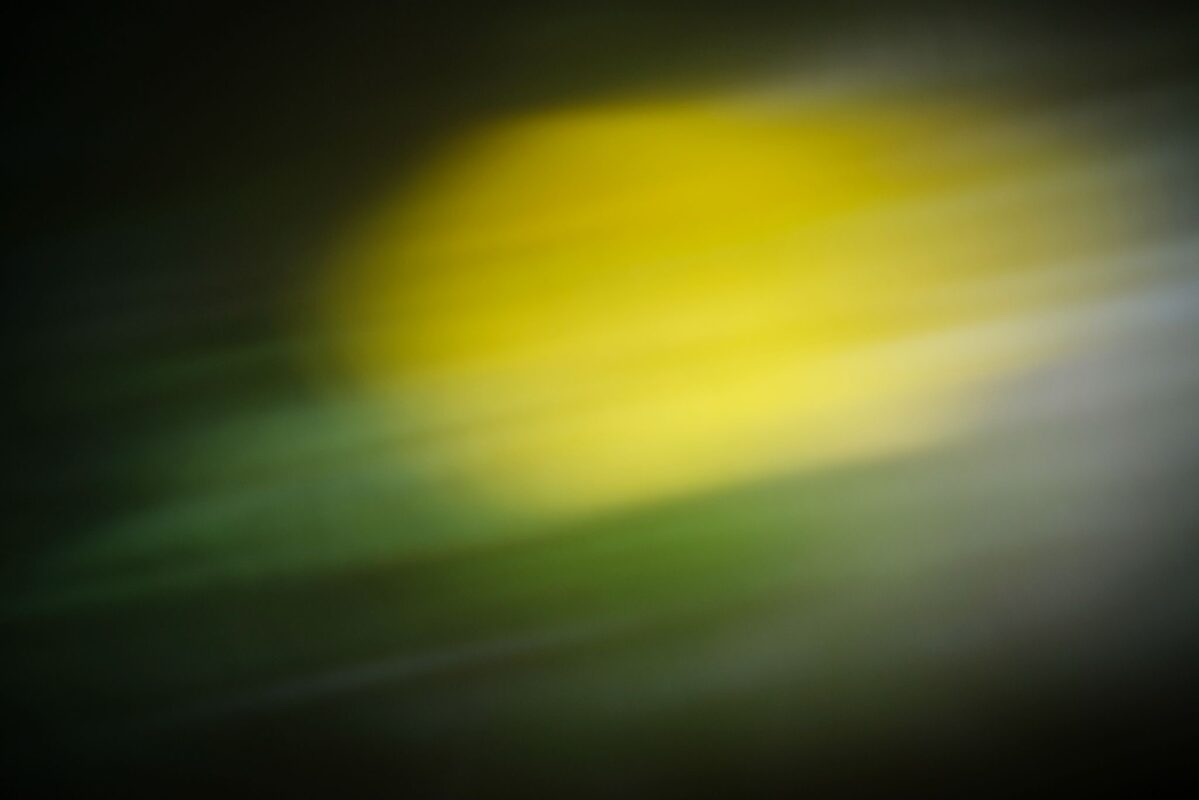
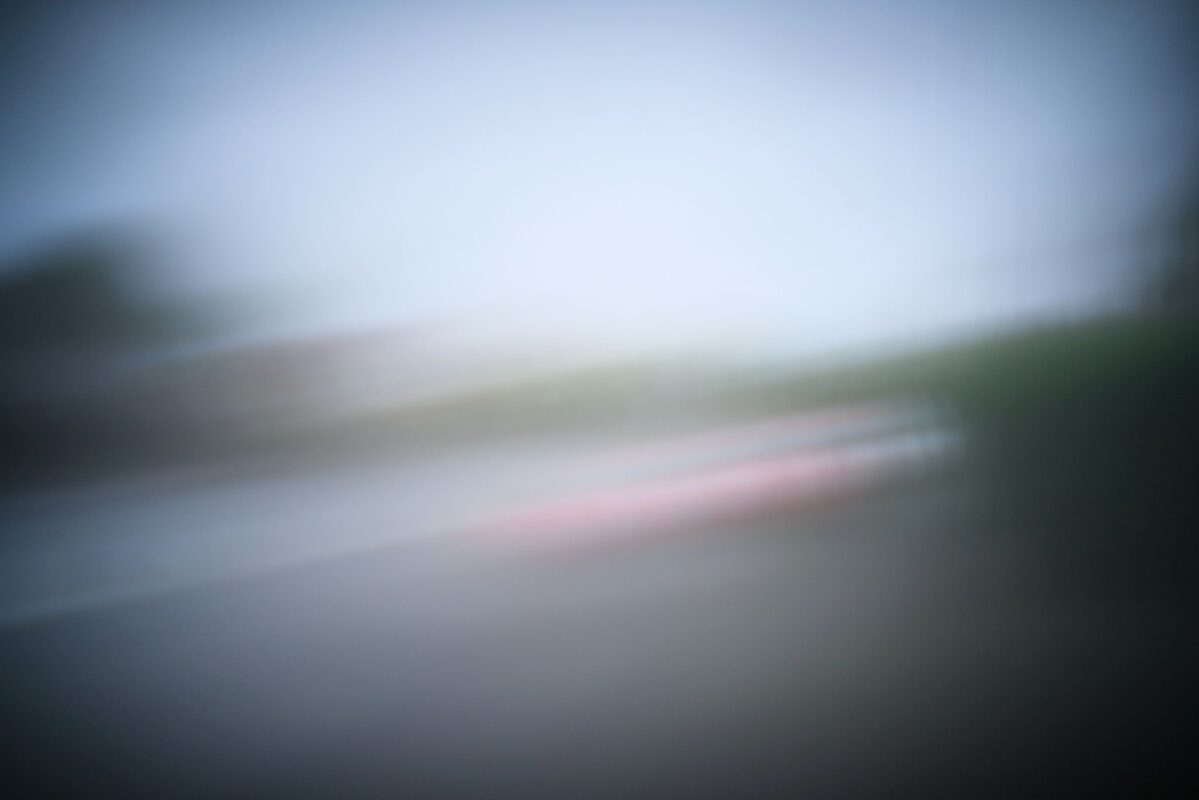
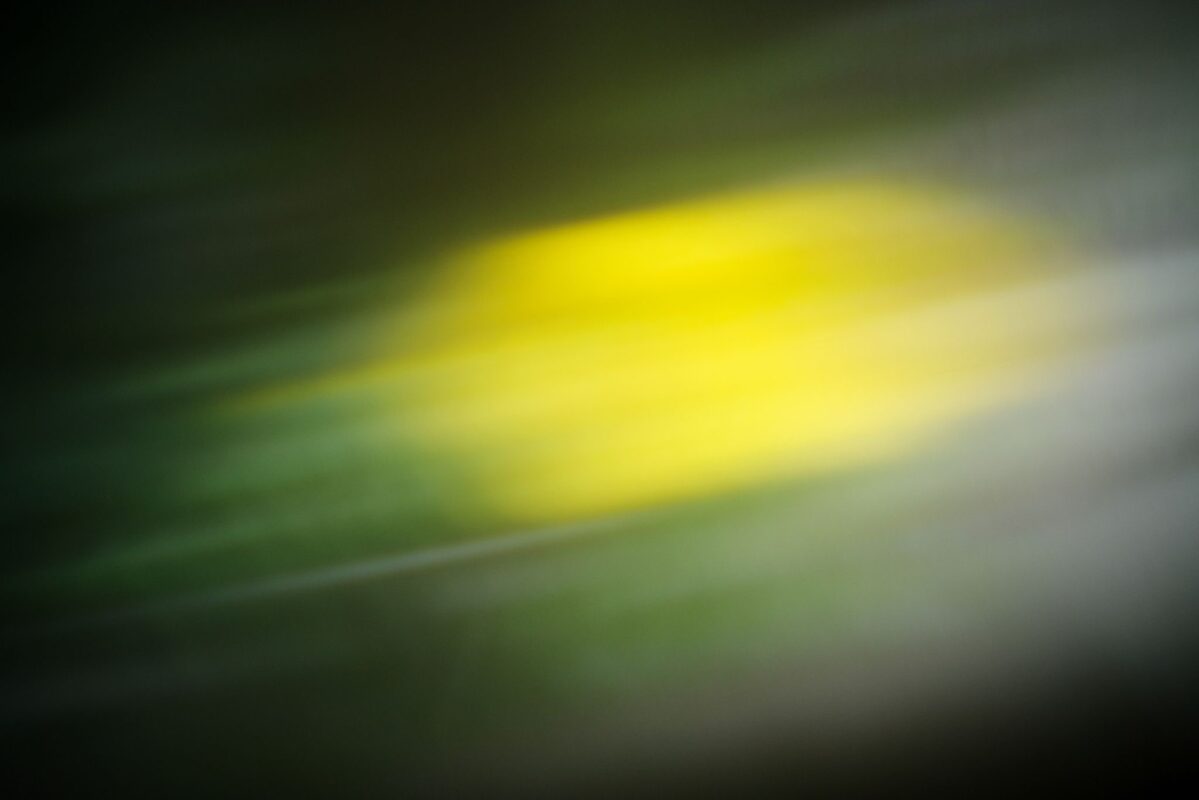
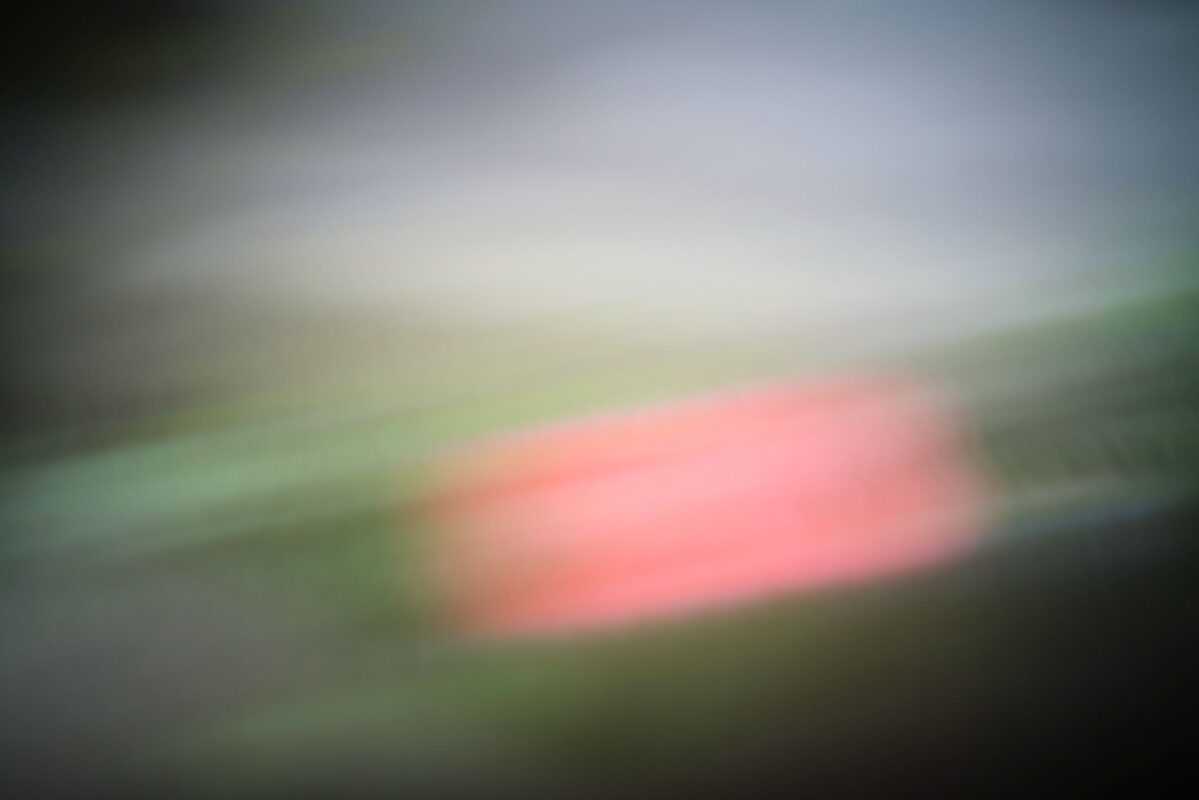
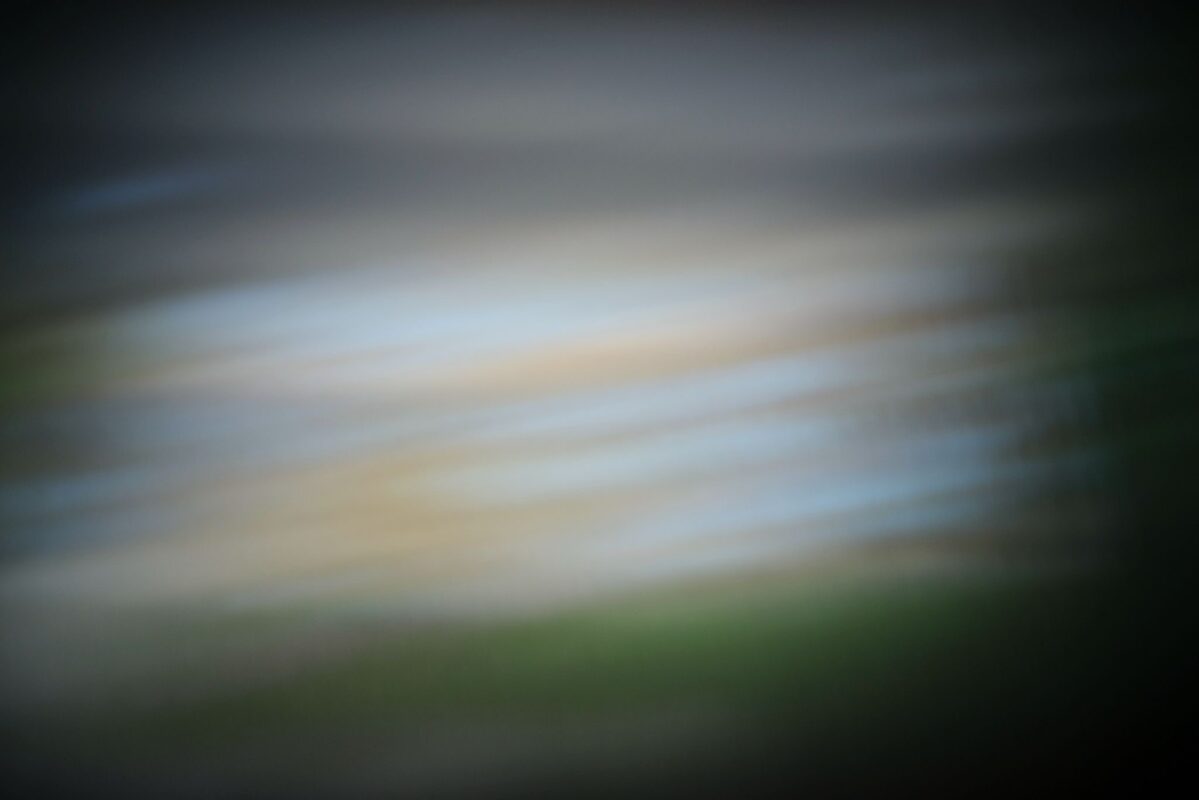
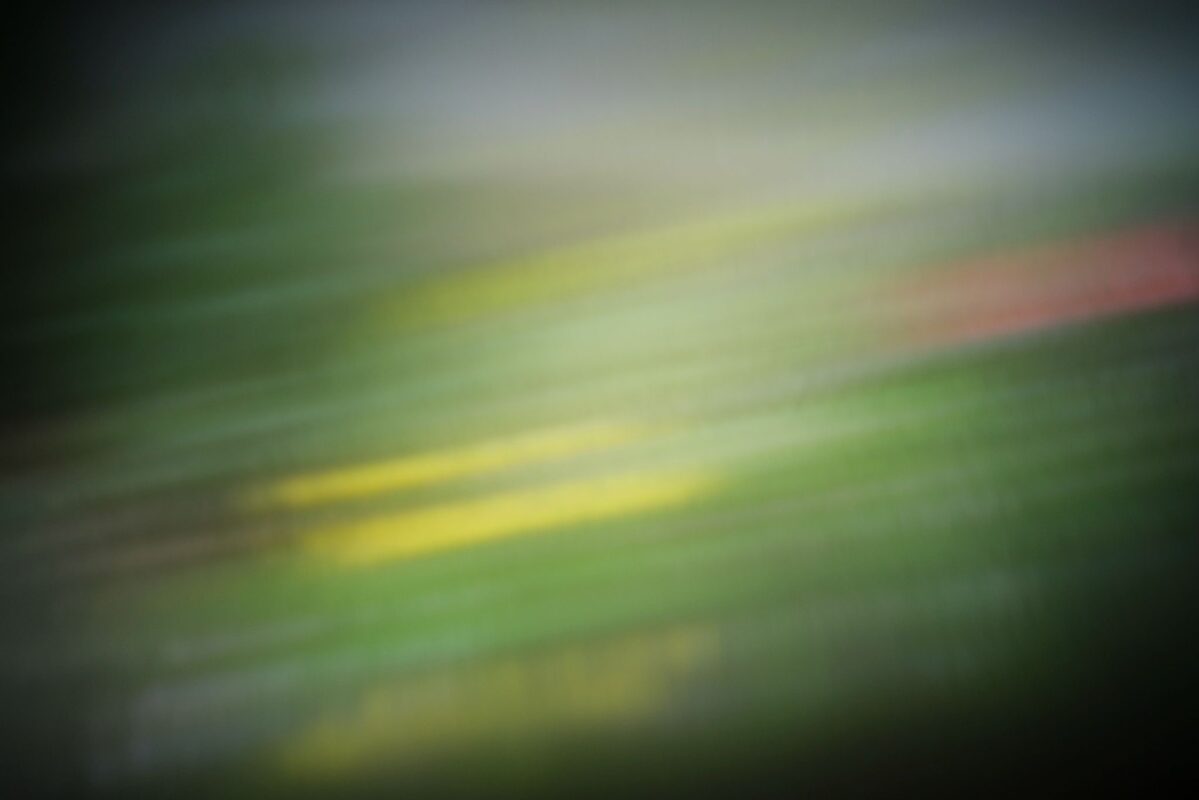
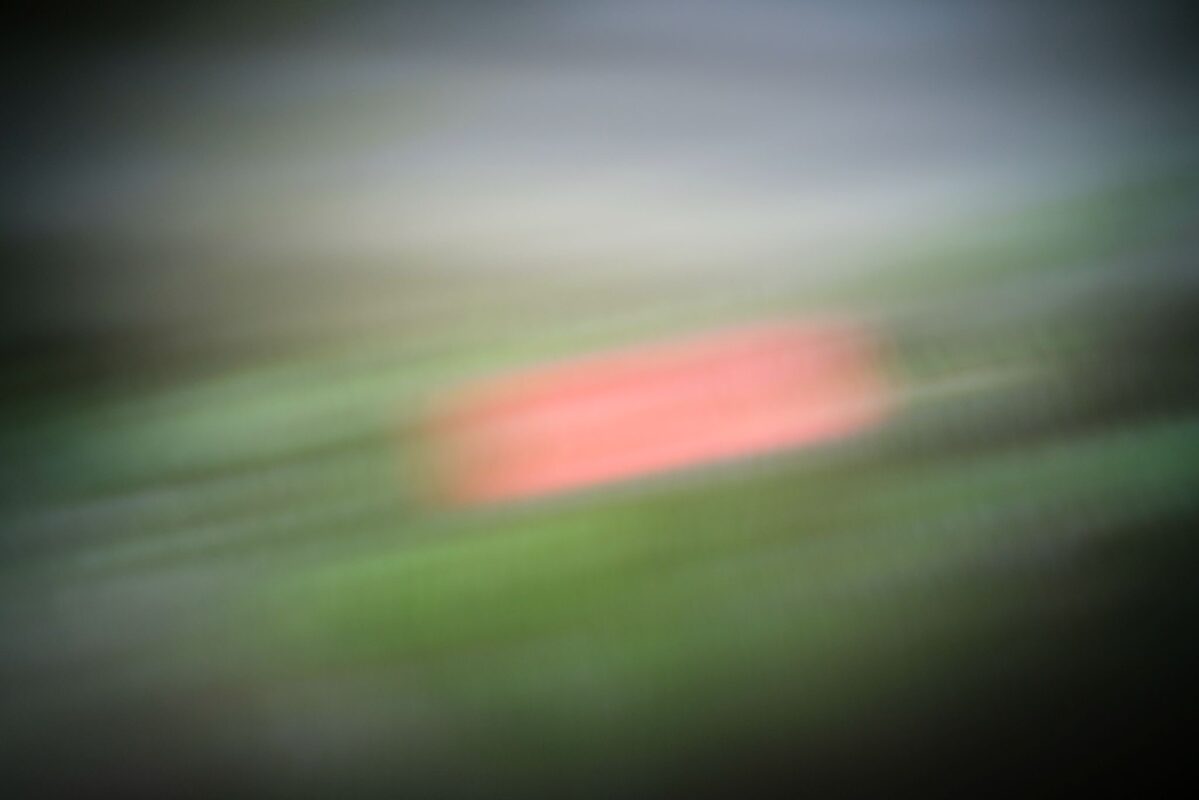
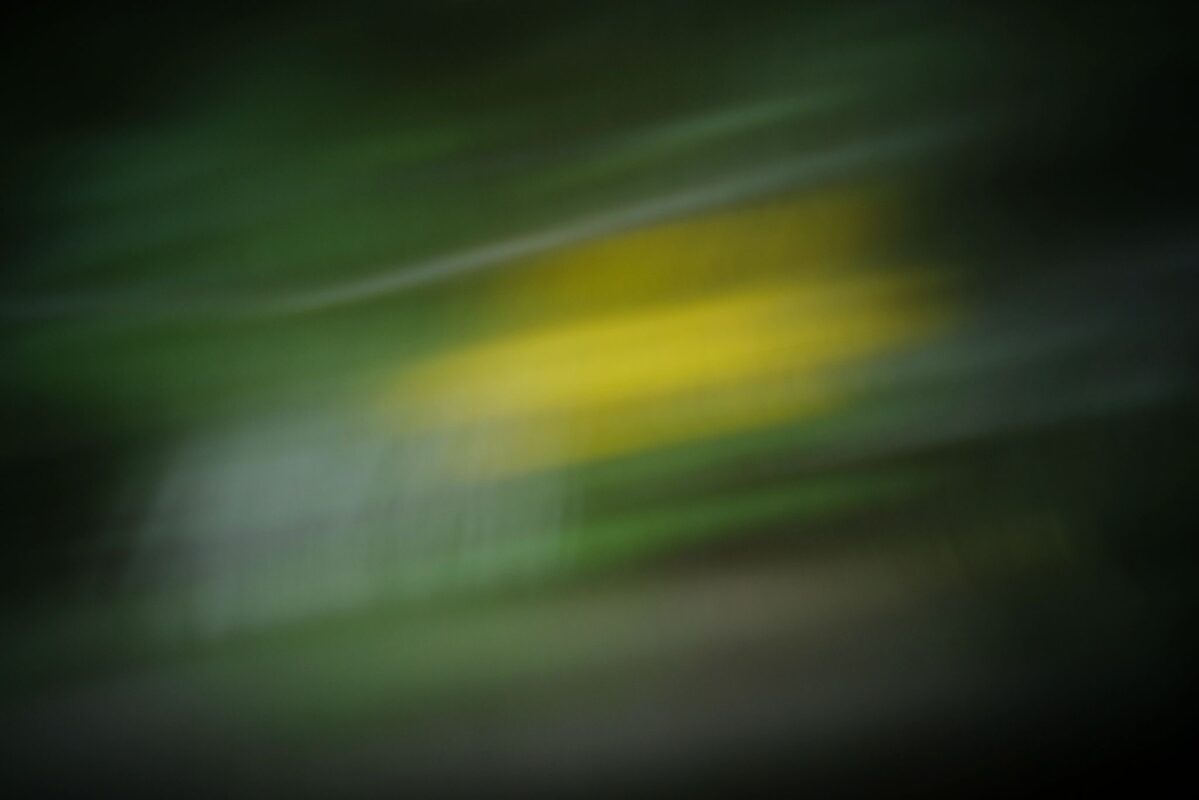
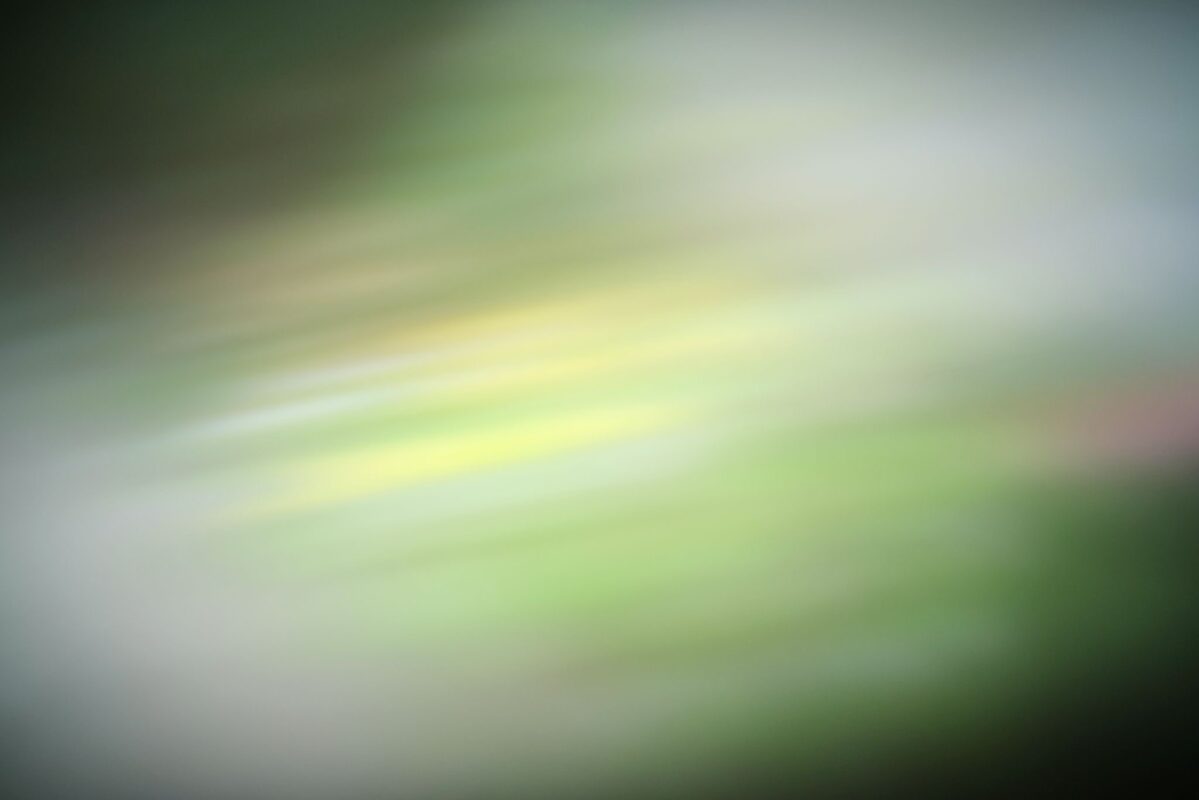
The slit pinhole creates a directional effect, stretching light along a single axis. This results in images with a unique blend of softness and motion, almost reminiscent of cinematic blur.
This kind of experimentation is particularly interesting because it goes against the usual idea that photos need to be sharp. That contrast makes it a unique and engaging topic for photographers exploring new creative directions.
Cross Pinhole Photography Results
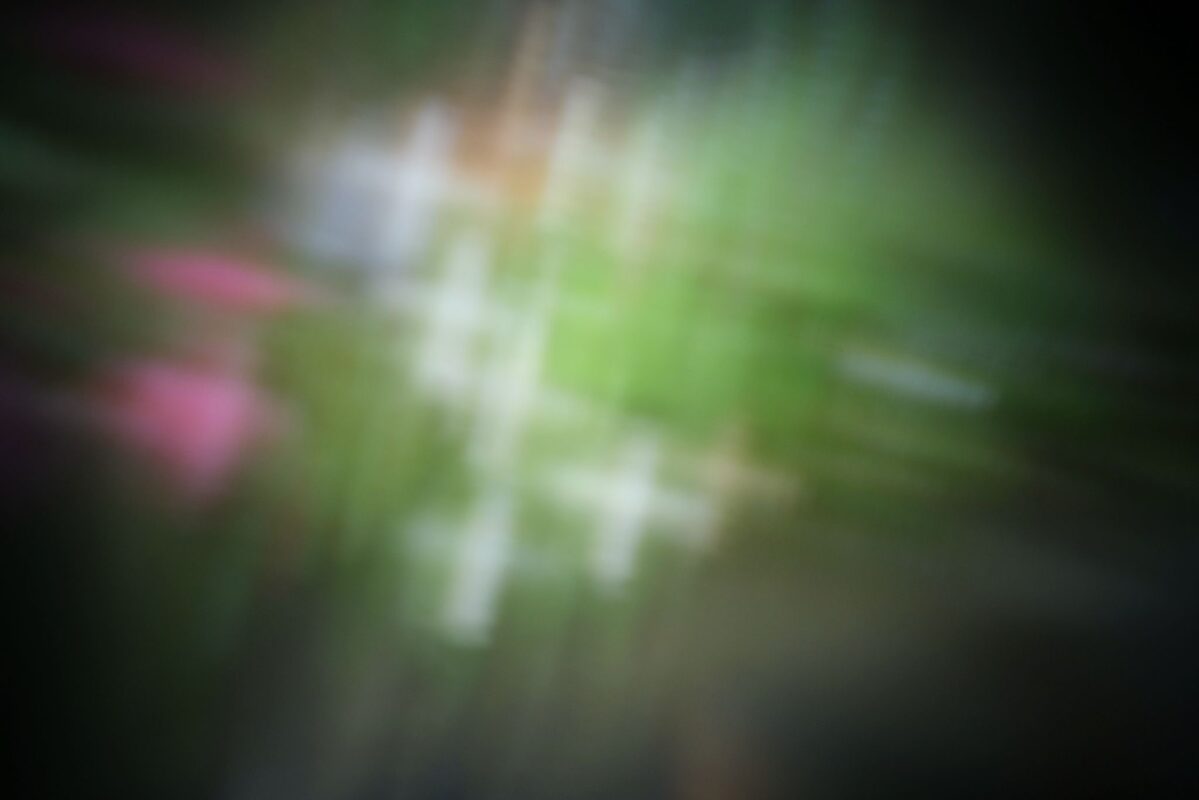
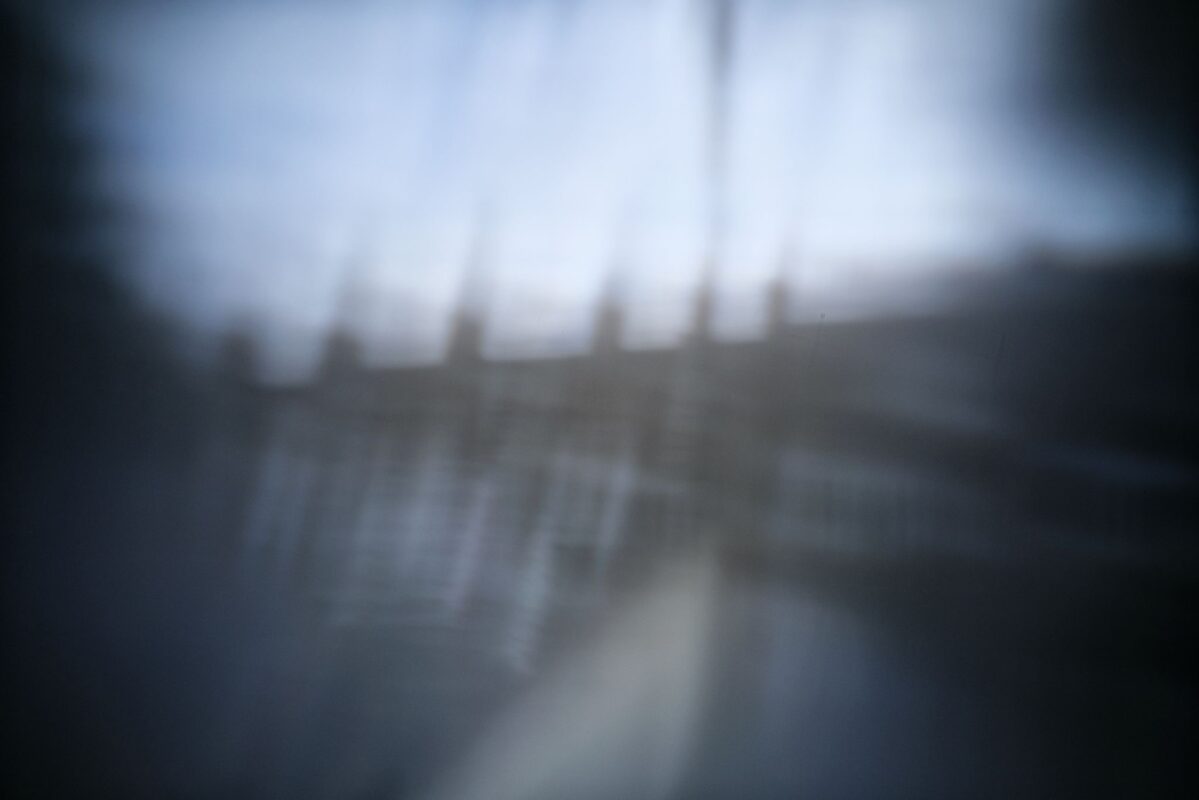
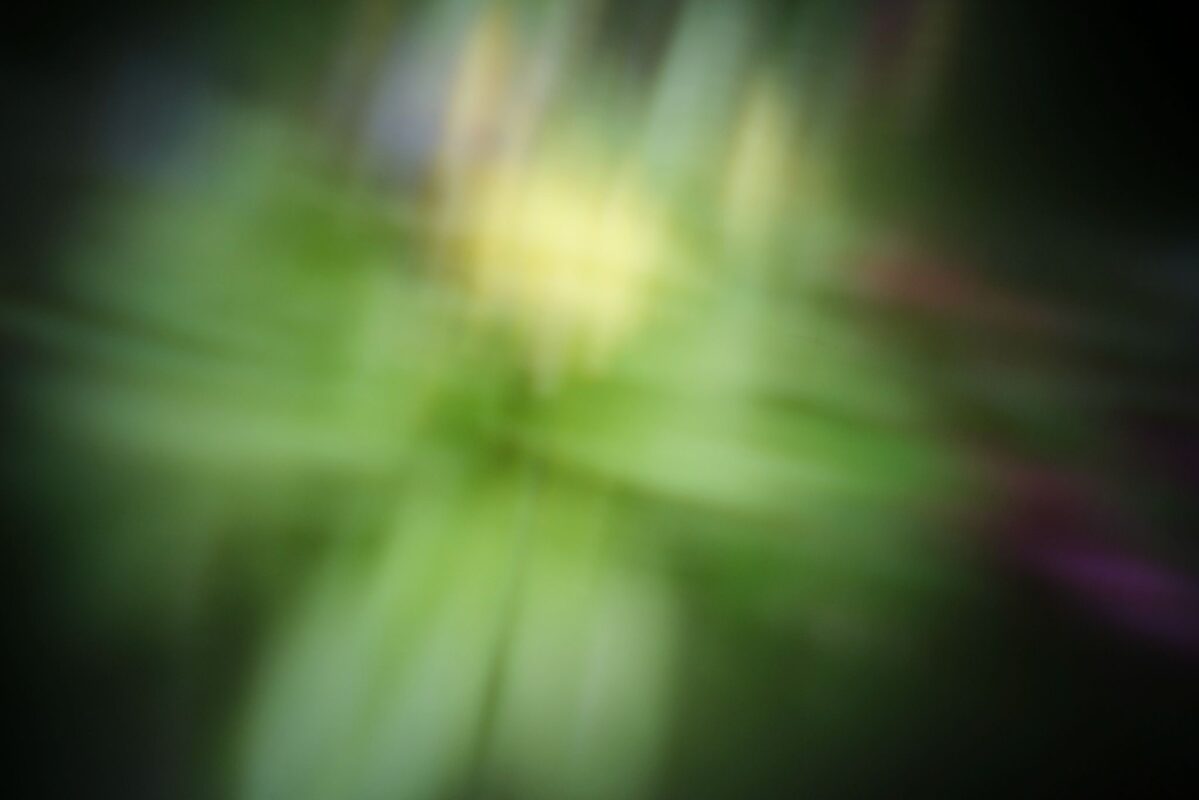
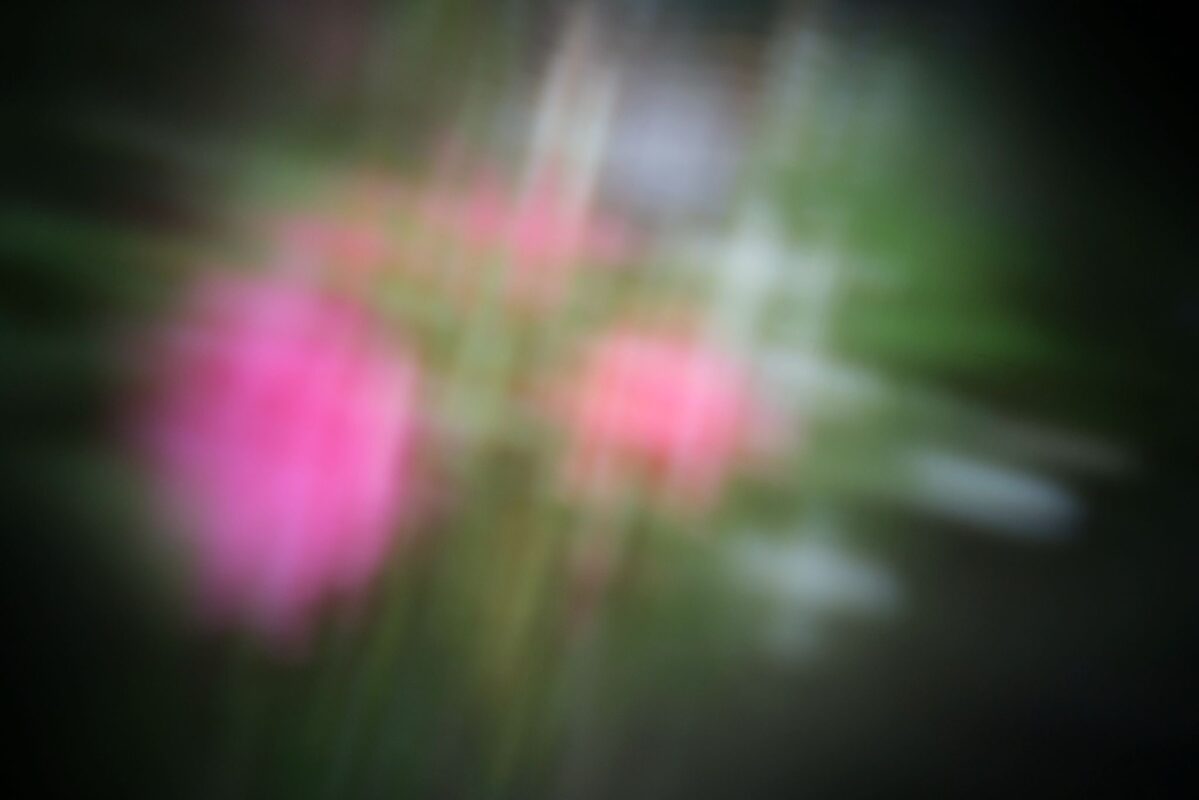
The cross-shaped pinhole introduces multiple axes of light interaction. Highlights can take on subtle structural qualities, and the overall rendering becomes more complex compared to a standard circular pinhole.
This approach sits at the intersection of creative lensless photography and optical experimentation
Wave Pinhole Photography Results
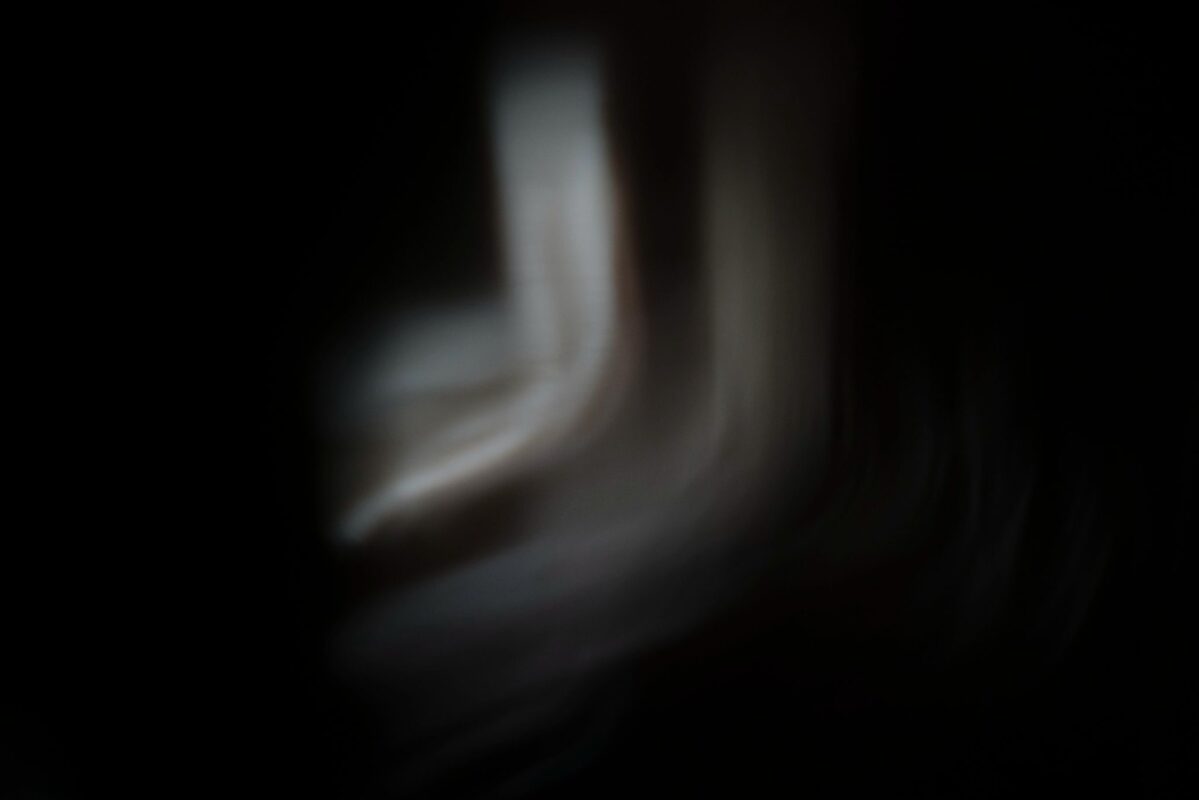
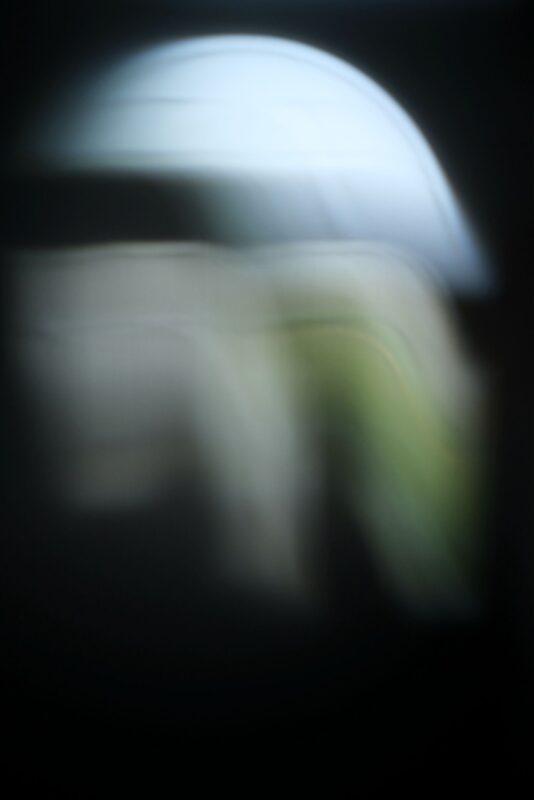
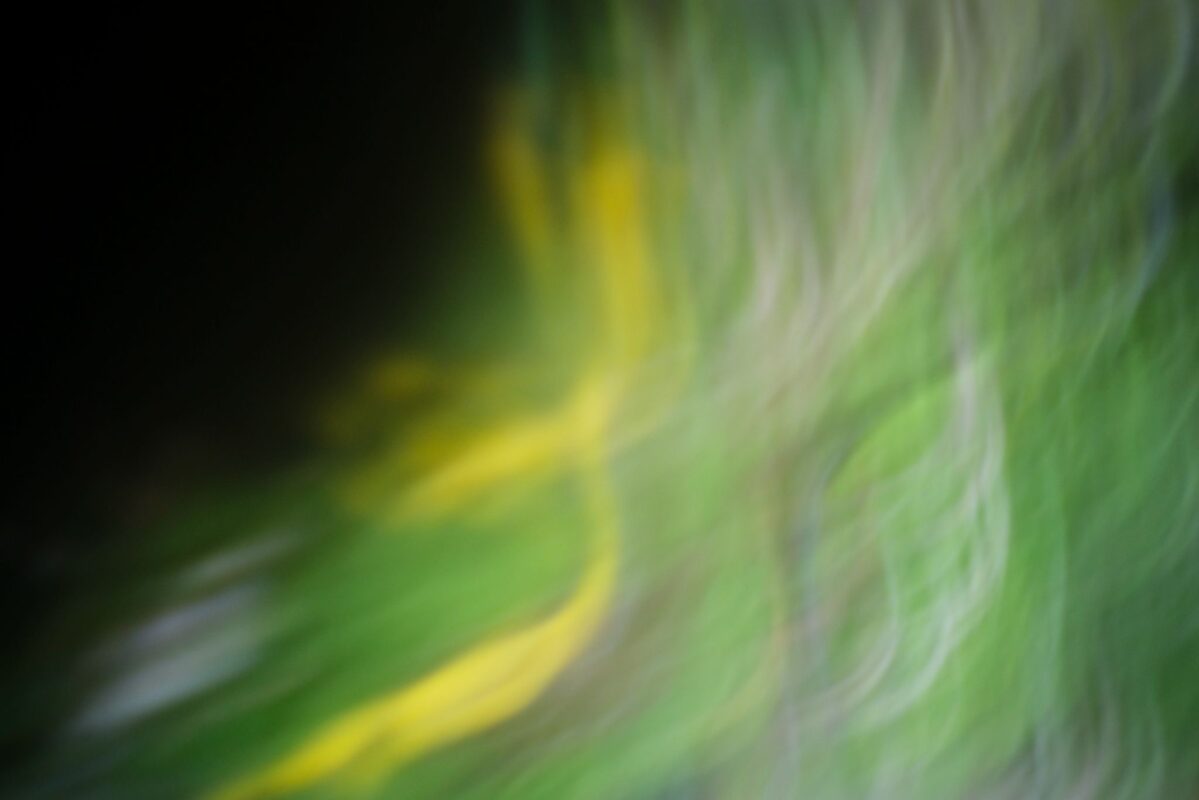
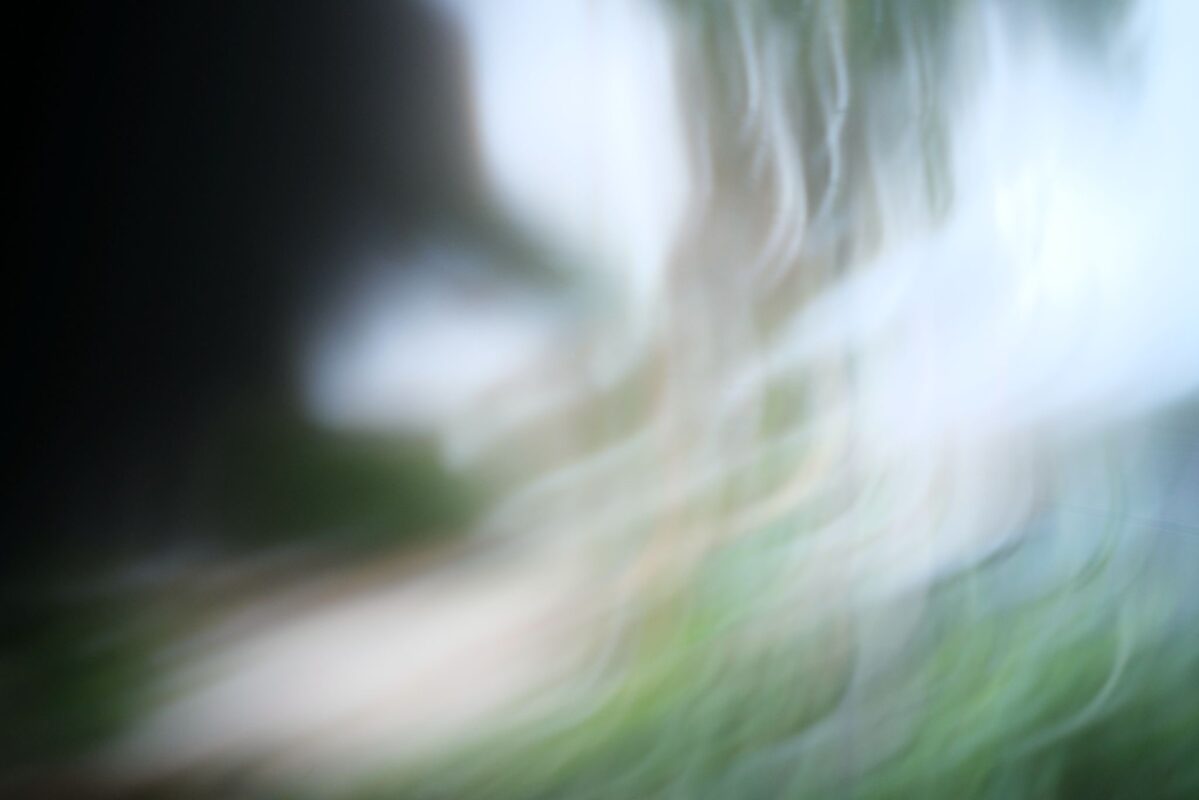

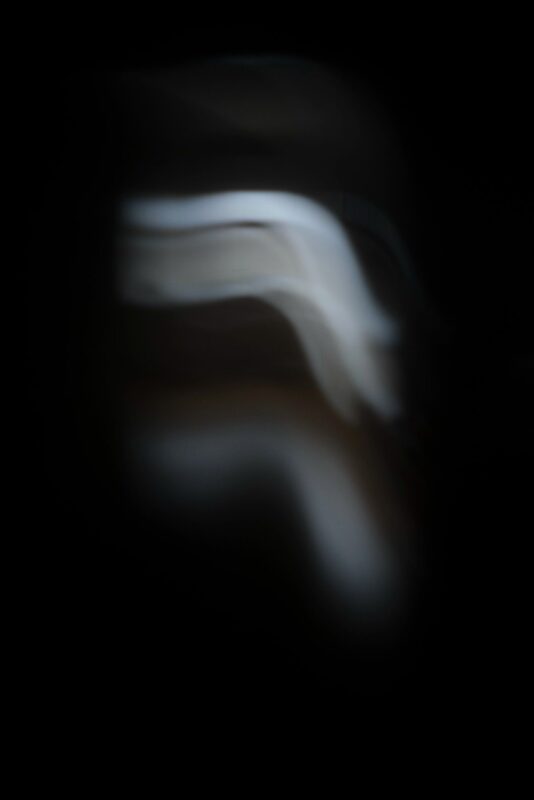
The wave-shaped pinhole is perhaps the most abstract of the three. It bends and diffuses light in a more fluid way, producing images that feel organic and less predictable.
For photographers interested in pushing the boundaries of digital pinhole photography techniques, this opens up exciting possibilities.
The Future of Pinhole Design
This experiment is just the beginning.
There is a vast, largely unexplored space in pinhole plate design — where aperture shape becomes a creative tool rather than just a technical constraint. By moving beyond the traditional circular pinhole, we can start to influence not only exposure and sharpness, but the entire visual language of the image.
If you’re interested in experimental photography, lensless imaging, or developing your own pinhole setups, this is an area worth exploring.